Estimated Reading Time: 6 minutes
Table of Contents
- Introduction
- Why Custom Tote Bags Matter for Your Brand
- Materials for Custom Tote Bags
- Cost Breakdown: Where Your Budget Goes
- Understanding MOQ: Minimum Order Quantities
- The MOQ and Price Relationship
- Strategies to Reduce Production Costs
- Choosing the Right Manufacturer
- Conclusion
Introduction
Custom tote bags represent one of the most versatile and profitable product categories for brands entering the fashion and accessories market. Whether you’re a startup launching your first collection or an established retailer expanding your product line, understanding the materials, costs, and MOQ requirements for custom tote bags is essential for making informed sourcing decisions [1].
This comprehensive guide breaks down everything you need to know about manufacturing custom tote bags—from material selection and cost allocation to navigating minimum order quantities and negotiating favorable terms with suppliers. By the end, you’ll have the knowledge to source tote bags that align with your brand quality standards and budget requirements.
Why Custom Tote Bags Matter for Your Brand
Tote bags have transcended their utilitarian origins to become powerful brand ambassadors. These versatile carryalls serve multiple purposes—from everyday shopping to professional use—making them ideal vehicles for brand visibility. Unlike seasonal fashion items, quality tote bags maintain year-round demand, providing consistent inventory turnover and repeat customer engagement.
The custom tote bag market continues growing as consumers increasingly reject single-use plastics and seek sustainable alternatives. Brands that offer well-designed, durable tote bags tap into this environmentally conscious consumer base while building brand awareness with every use [2].
Additionally, tote bags offer excellent profit margins. The relatively simple construction compared to structured handbags reduces production costs while the large printable surface area maximizes brand visibility—creating an attractive value proposition for both brands and customers.
Materials for Custom Tote Bags
Material selection significantly impacts product quality, cost, and customer perception. Understanding the characteristics of each material helps you make choices that align with your brand positioning and target audience.
| Material | Characteristics | Price Range | Best For |
|---|---|---|---|
| Cotton Canvas | Durable, breathable, printable | $0.30-2.00 | Everyday use, eco-brands |
| PU Leather | Premium look, easy maintenance | $2.00-5.00 | Premium positioning |
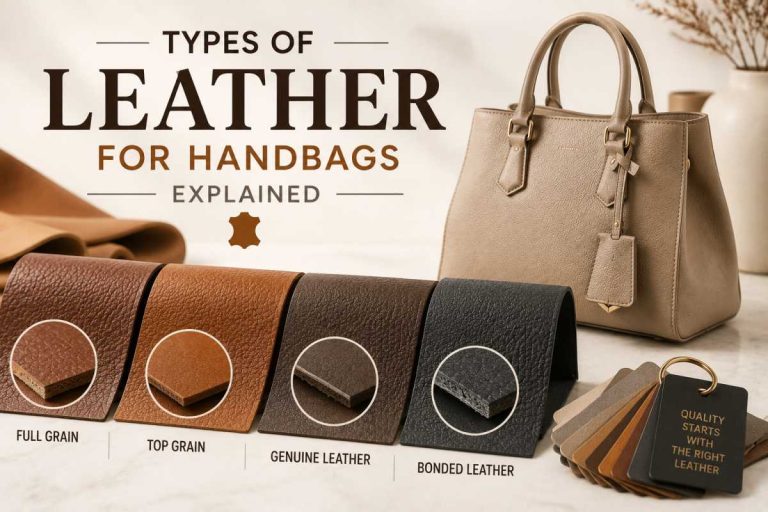
| Genuine Leather | Luxury feel, durable, ages well | $8.00-20.00 | Luxury brands |
| Non-woven PP | Budget-friendly, lightweight | $0.15-0.50 | Promotional items |
| Jute | Natural, rustic, eco-friendly | $0.50-1.50 | Sustainable brands |
Cotton Canvas: The most popular choice for custom tote bags, canvas offers excellent durability and printability. Available in various weights (measured in ounces), canvas totes range from lightweight 6oz options to heavy-duty 20oz versions suitable for carrying heavier loads [3].
PU Leather: For brands seeking a premium appearance without genuine leather pricing, PU leather provides an attractive alternative. Modern PU leather closely resembles genuine leather while offering easier maintenance and lower price points.
Non-woven Polypropylene (PP): The most budget-friendly option, non-woven PP bags serve well for promotional purposes and large-scale events. While less durable than cotton or leather, the low cost makes them economical for bulk giveaways.
Sustainable Materials: Growing consumer interest in sustainability has elevated options like organic cotton, recycled materials, and jute. These materials appeal to environmentally conscious consumers while differentiating your brand in a crowded market.
Cost Breakdown: Where Your Budget Goes
Understanding the cost structure of custom tote bag production helps you budget effectively and identify opportunities for cost optimization [4].
Materials (40-60% of total cost): Fabric and hardware represent the largest expense category. Material costs vary significantly based on quality, source, and order volume. Premium materials like genuine leather command higher prices, while bulk cotton purchases reduce per-unit material costs.
Craftsmanship (20-30% of total cost): Labor costs cover cutting, sewing, and finishing operations. Complex designs requiring specialized stitching, reinforced handles, or interior pockets increase labor expenses. Geographic manufacturing location also affects labor costs—Chinese manufacturers typically offer 30-50% savings compared to US or European factories.
Logistics (10-15% of total cost): Shipping, customs duties, and handling contribute to final product costs. Air freight for urgent orders significantly increases expenses compared to sea freight, which takes longer but costs substantially less.
Additional Costs to Budget:
- Tooling and die-cutting for custom shapes
- Logo printing or embroidery setup fees
- Sample development and prototyping
- Quality inspection services
- Packaging materials
Understanding MOQ: Minimum Order Quantities
Minimum Order Quantity (MOQ) represents the smallest production run a manufacturer will accept. Understanding MOQ dynamics helps you plan orders realistically and negotiate effectively with suppliers [5].
Why MOQs Exist: Manufacturers set MOQs to cover their setup costs. Producing custom tote bags requires cutting dies, machine setup, and material preparation—expenses that must be amortized across enough units to make production economically viable. Factories purchase fabric in large rolls and mix dyes in large quantities, making small runs economically impractical [6].
Typical MOQ Ranges:
- Basic cotton totes: 100-500 pieces
- Custom printed designs: 300-1000 pieces
- Premium materials (leather): 50-200 pieces
- Fully custom designs: 500-2000 pieces
Some suppliers offer lower or no MOQ options, though these typically come with premium pricing. Understanding your production scale helps match you with appropriate manufacturers.
The MOQ and Price Relationship
The relationship between order quantity and unit price follows an inverse pattern—larger orders yield lower per-unit costs through economies of scale.
Price Impact of Order Size:
- Ordering below standard MOQ typically incurs 30-100% price premium
- Orders at 2x MOQ often receive 10-20% discount
- Orders at 5x MOQ may achieve 20-30% savings
This pricing structure reflects the fixed costs of production setup. Spreading these costs over more units dramatically reduces per-bag expenses, creating incentives for larger orders while making small orders economically challenging for manufacturers.
Strategies for Managing MOQ:
- Start with fewer styles in larger quantities per style
- Build repeat orders with the same manufacturer for flexibility
- Consider grouping orders with complementary brands
- Use manufacturer in-stock materials to reduce MOQ requirements
Strategies to Reduce Production Costs
While some costs are fixed, several strategies help optimize your production budget without sacrificing quality:
Consolidate Orders: Combine multiple product styles into single shipments to reduce per-unit shipping costs and benefit from bulk pricing. Additionally, consolidating orders with other brands can split container costs and tooling fees [7].
Time Your Orders Strategically: Manufacturing facilities experience peak and off-peak seasons. Placing orders during slower periods (typically January-March and July-August) often yields more flexible terms and competitive pricing.
Simplify Designs: Complex constructions with multiple compartments, custom hardware, or specialized finishes increase costs significantly. Starting with simpler designs allows market testing before investing in more elaborate products.
Use Standard Materials: Custom colors and proprietary materials typically require minimum quantities that increase costs. Beginning with manufacturer stock options lets you test designs before committing to custom material investments.
Build Long-term Relationships: Manufacturers value repeat customers. Demonstrating order consistency opens doors to better pricing, lower MOQs, and priority production scheduling.
Choosing the Right Manufacturer
Selecting the appropriate manufacturing partner significantly impacts product quality, delivery timelines, and overall business success.
Key Evaluation Criteria:
- Production capabilities: Ensure they have experience with your specific material and design requirements
- Quality control processes: Look for multi-stage inspection procedures and clear defect policies
- Communication responsiveness: Test their communication during the inquiry phase
- Certifications: Verify relevant quality and social compliance certifications
- Sample quality: Always evaluate samples before committing to production
Due Diligence Steps:
- Request and thoroughly evaluate product samples
- Ask for references from existing clients
- Verify business licenses and certifications
- Start with small pilot orders before scaling
- Visit facilities if possible for firsthand assessment
Conclusion
Understanding the materials, costs, and MOQ requirements for custom tote bags empowers you to make informed sourcing decisions that balance quality, budget, and scalability. The key lies in aligning your material choices with brand positioning, budgeting realistically for all cost components, and building manufacturer relationships that support your growth trajectory.
Start with clear specifications and realistic budget expectations. Invest in quality samples to verify manufacturer capabilities before committing to production runs. Remember that the cheapest option rarely delivers the best long-term value—quality products build brand reputation and customer loyalty.
Ready to source your custom tote bags? Connect with our manufacturing team to discuss your requirements. We offer competitive pricing, flexible MOQ options, and comprehensive quality control to bring your custom tote bag vision to life.
Related articles: Private Label Bags Complete Guide, How to Find Handbag Manufacturers, Types of Leather for Bags
References