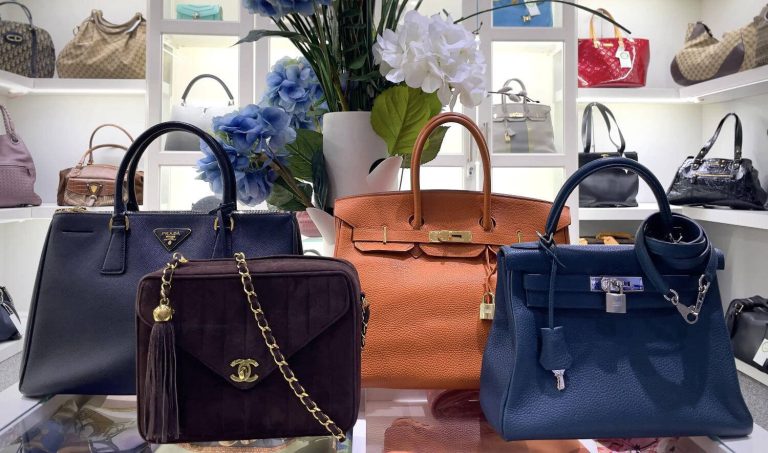
materials—and not just the headline material. The outer shell, lining, reinforcement, coatings, and hardware work together to
determine cost, real-world durability, and the “feel” customers read as premium, eco-friendly, or good value.The biggest pain point for many brands is that material choice directly sets both pricing power and brand tone.
A bag positioned as “eco” needs traceable inputs and credible certifications. A “premium” bag needs materials that age well and communicate quality up close.
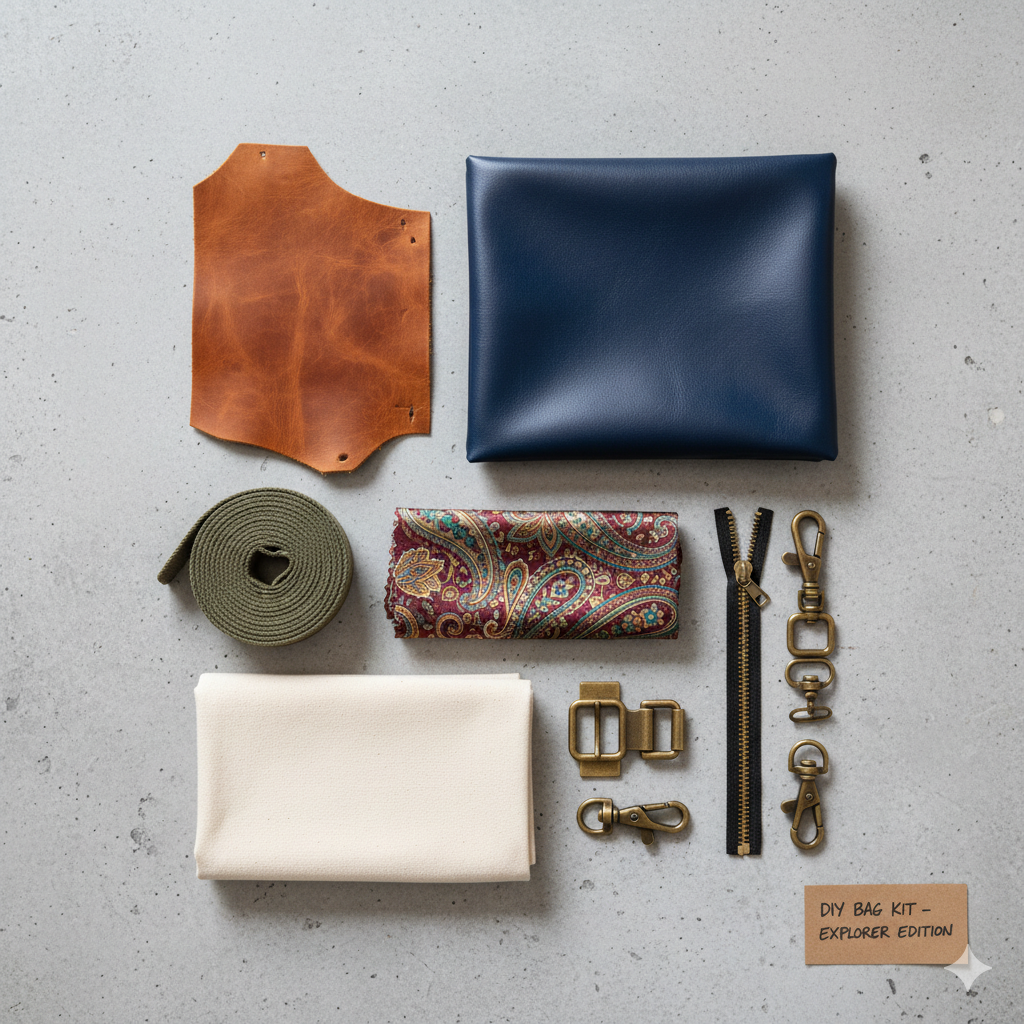
A “value” bag needs smart performance-per-dollar without looking cheap. This guide breaks down practical material decisions you can make—without jargon.Image idea: A flat-lay “materials kit” photo showing leather, PU, nylon, canvas, lining, zipper tape, and hardware.
How Materials Drive Price, Quality & Perception
Customers judge a bag in seconds: softness, smell, shine level, edge paint, stitching tightness, and hardware weight all send a signal.
Those signals often map to three business outcomes:
- Cost structure: raw material price, yield (how much waste during cutting), and processing costs.
- Quality outcomes: abrasion resistance, tear strength, colorfastness, crack resistance, and aging behavior.
- Brand perception: whether the bag reads “luxury,” “eco-conscious,” or “affordable and practical.”
One key insight: the “outer material” is only part of the story. A premium-looking shell paired with flimsy lining and weak reinforcement can fail fast,
hurting reviews and repeat purchases. Great brands build a consistent quality stack: shell + lining + structure + hardware.
Core Outer Materials: Pros, Cons & Brand Signals
Below are the most common women’s bag outer materials and what they typically communicate in the market. Use this to match materials to your target price tier
and brand positioning.
| Material | Typical Brand Signal | Strengths | Tradeoffs | Best For |
|---|---|---|---|---|
| Genuine Leather (full grain/top grain) | Premium, heritage, long-lasting | Ages well, high tactile value, strong resale perception | Higher cost, variability, needs finishing & care | Premium handbags, structured totes |
| Split Leather / Suede | Fashion-forward, texture-led | Soft hand-feel, distinct look | Stain sensitivity, needs protection, can flatten | Seasonal styles, softer silhouettes |
| PU Leather (synthetic) | Accessible, clean, trend-driven | Consistent color, easy cleaning, cost control | Can peel/crack over time if low grade | Value & mid-tier styles |
| Microfiber PU | “Upgraded PU,” modern premium | Better durability vs basic PU, smoother edges | Still synthetic; performance varies by spec | Mid-tier “premium look” bags |
| Nylon (incl. recycled) | Functional, lightweight, sporty | High abrasion resistance, light weight, great for travel | Can look “technical” rather than luxury unless styled carefully | Crossbody, travel, daily carry |
| Polyester (incl. recycled) | Value, durable basics | Cost-effective, stable dyeing, easy care | May feel less premium than nylon at same look | Value totes, promotional lines |
| Canvas (cotton / organic cotton) | Natural, casual, lifestyle | Great printing, good structure with backing | Stains, shrink risk if untreated, can feel “basic” if hardware is cheap | Tote bags, casual collections |
| Jute / Raffia / Straw | Eco-aesthetic, summer, artisanal | Distinct seasonal texture, strong visual identity | Limited durability, needs lining/structure, moisture sensitivity | Seasonal capsules |
If your product line includes women’s bags plus adjacent categories, it helps to keep a consistent materials “language” across the catalog—so customers can
recognize your brand’s quality level. For reference categories and styles, see:
Women’s Bags
and
Tote Bags.
Leather note: quality and credibility
If you use leather in a premium line, your sustainability credibility often depends on tanning and traceability. One widely used framework in the leather
supply chain is the Leather Working Group audit and certification system (LWG Certification:
https://www.leatherworkinggroup.com/certification/).
Even if you don’t market LWG directly, it’s a practical sourcing filter for reducing risk in premium claims.
The Hidden Materials That Make (or Break) Quality
Many bags fail because of the parts customers don’t see in product photos. If you want better reviews and fewer returns, focus on these “hidden” components:
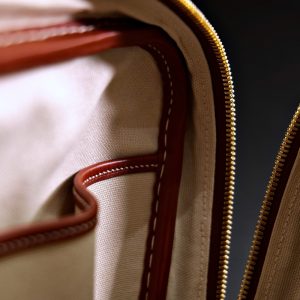
Lining (and why it changes perceived quality)
- Feel: A crisp, smooth lining improves the “premium” sensation every time the bag opens.
- Noise: Cheap lining can be loud and crinkly; premium lining is quieter.
- Colorfastness: Dark linings that bleed can stain belongings.
- Cleanability: Coated linings can help, but they must not feel sticky or plasticky.
Interlining, backing, and structure
Structure materials—foam, nonwoven, PP boards, and stiffeners—define how the bag holds shape and protects contents. They also influence “brand tone”:
structured silhouettes read more premium; slouchy silhouettes read more casual. The same outer material can land in a totally different segment depending on
internal structure.
Hardware and trims
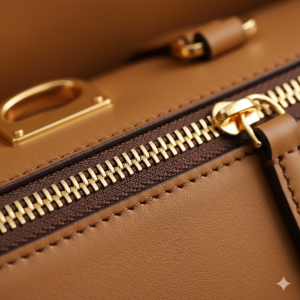
- Zippers: Smooth pull + consistent teeth alignment = instant quality signal.
- Plating: Premium brands avoid flaking, uneven shine, and color mismatch between parts.
- Edge paint: Clean edges and consistent thickness elevate perceived value dramatically.
Choosing for “Eco / Premium / Value”: 3 Clear Material Playbooks
Here are three practical playbooks you can use to align materials with pricing and brand perception. The key is to be consistent: don’t mix “premium”
messaging with value-grade materials in high-touch areas (handles, corners, zipper pulls).
Playbook A: Eco-Friendly Positioning (without sacrificing performance)
Eco positioning works best when you pick one “hero” sustainability lever and execute it deeply—rather than making many weak claims.
Common levers include certified recycled synthetics, traceable organic fibers, and safer chemical management.
- Outer: recycled nylon or recycled polyester (with chain-of-custody proof)
- Lining: recycled polyester lining
- Brand signal: clean minimal trims + transparent material story
- Best styles: lightweight totes, crossbody, travel bags, daily carry
For recycled content claims, look for third-party standards that verify recycled inputs and chain-of-custody, such as the Global Recycled Standard (GRS)
(Textile Exchange overview:
https://textileexchange.org/recycled-claim-global-recycled-standard/).
Playbook B: High-End / Premium Positioning (tactile value + aging)
Premium is about “quiet signals”: touch, weight, smell, and aging. Customers accept higher prices when materials look better in year two than in week two.
- Outer: top grain/full grain leather, or a truly high-grade microfiber PU for modern premium
- Lining: smooth, durable lining with clean finishing
- Hardware: heavier-feel, consistent plating, smooth zipper action
- Brand signal: fewer panels, cleaner seams, better edge finishing
If you use leather and want a responsible supply chain story, LWG certification is a commonly referenced audit framework for tanneries
(LWG Certification:
https://www.leatherworkinggroup.com/certification/).
Playbook C: Value / Cost-Performance Positioning (smart compromises)
Value doesn’t mean “cheap.” It means you spend where customers touch and save where they don’t notice. The goal is reliable durability at scale.
- Outer: well-specified PU or polyester with a durable coating
- Handles & touch points: upgrade grip feel (thicker handle fill, better edge paint)
- Reinforcement: invest in stress points (strap anchors, corners, base panel)
- Brand signal: consistent stitching + clean interior finishing (even if material is mid-tier)
For brands building multiple value-driven SKUs, material selection and consistency across categories can be supported by an OEM/ODM partner that offers a
broad materials menu (overview and capabilities:lilalilabags.com).
Use safety certifications to reduce customer risk
If you sell to customers sensitive to skin contact or odor concerns, product safety standards can support your story. OEKO-TEX STANDARD 100 is a widely known
label for textiles tested for harmful substances (OEKO-TEX STANDARD 100:
https://www.oeko-tex.com/en/our-standards/oeko-tex-standard-100/).
This can be relevant for linings, straps, and textile components.
Avoid these common “eco” mistakes
- Overusing “vegan leather” without explaining what it is (often PU-based). Be specific: PU, microfiber, bio-based content percentage.
- Claiming “recycled” without chain-of-custody proof or a recognized standard.
- Calling a bag “sustainable” based on one minor component (e.g., recycled hangtag) while the main materials are unchanged.
Quick Checklist: Final Material Selection Before Sampling
Use this checklist to make sure your material choice supports both pricing and brand tone—before you approve samples:
- Define positioning: eco, premium, or value (choose one primary direction).
- Pick a hero material: outer shell that matches positioning and target MSRP.
- Lock the quality stack: lining + structure + reinforcement + hardware must match the promise.
- Decide aging behavior: patina (leather), stable look (PU/microfiber), or technical wear (nylon).
- Set claim rules: every claim needs a document (certificate/test report/transaction record).
- Prototype for touch points: handles, zipper pulls, corners, and base panel—these drive reviews.
Material choice is not just a sourcing decision—it’s a pricing strategy and a brand strategy. When you align materials with the emotion you want customers to
feel (“eco,” “premium,” or “value”), your product becomes easier to market, easier to price, and harder to copy.
References
- Leather Working Group (LWG) Certification:
https://www.leatherworkinggroup.com/certification/ - Textile Exchange — Recycled Claim Standard (RCS) & Global Recycled Standard (GRS):
https://textileexchange.org/recycled-claim-global-recycled-standard/ - OEKO-TEX STANDARD 100:
https://www.oeko-tex.com/en/our-standards/oeko-tex-standard-100/ - ZDHC — MRSL:
https://www.zdhc.org/mrsl
If you’re sourcing custom bags in bulk, working directly with a manufacturer can reduce cost and improve quality.
Message Us on WhatsApp for Fast Factory Support