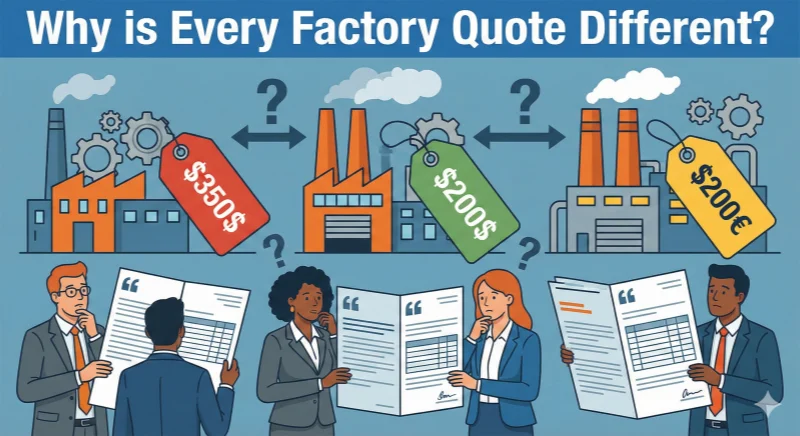
If you’ve ever requested quotes from multiple bag factories and received wildly different numbers, you’re not alone. One quote looks “too cheap to be real,” another feels expensive, and a third comes with a long lead time and strict MOQ. The uncomfortable truth is that many quotes are not pricing the same thing, even when the product photo looks identical.
This article breaks down what’s really happening behind the scenes: how factories calculate MOQ, why pricing assumptions differ, and where hidden delays appear (often after you think everything is approved). You’ll also get a practical checklist to compare quotes apples-to-apples and reduce schedule surprises.
Table of Contents
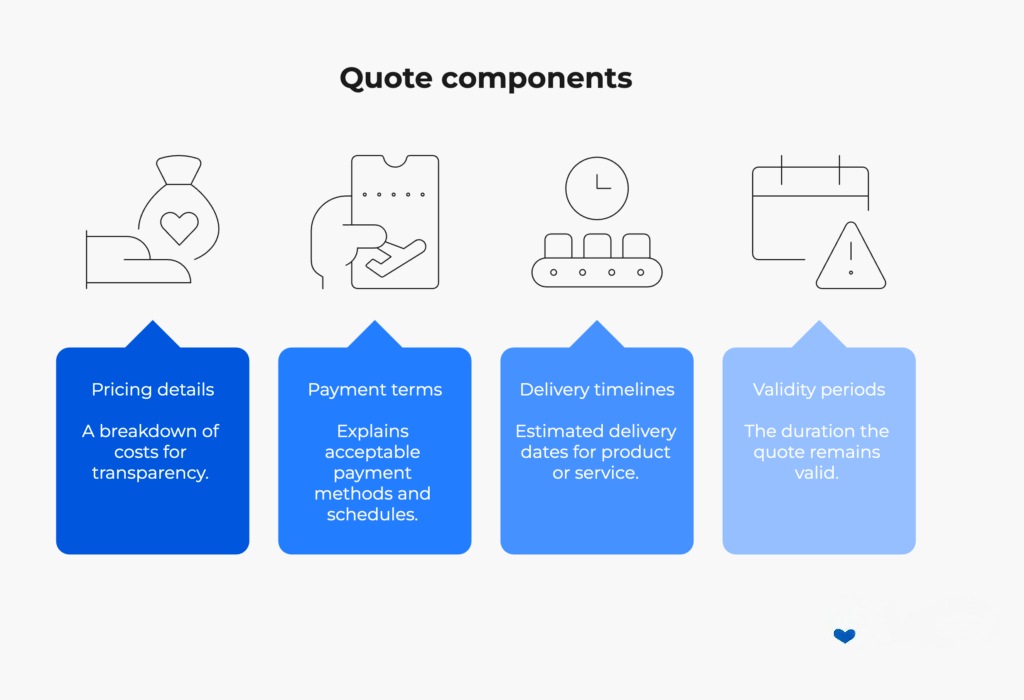
What a Factory Quote Really Includes (and What It Often Doesn’t)
At a high level, a factory quote is a snapshot of cost and capacity at a specific time. But two factories can interpret the same request differently. Some will quote “best case” to win the order, while others quote “worst case” to protect their timeline and margin.
Here are common line items that may be included, excluded, or assumed differently:
- Materials: fabric/PU/leather grade, lining, foam, webbing, zipper brand, metal hardware plating.
- Customization: logo method (emboss, patch, embroidery, printing), custom zipper pull, custom label, hangtags, dust bag, box.
- Sampling: number of rounds included, prototype fees, “free sample” conditions.
- Quality control: AQL level, inline inspection, pre-shipment inspection, rework policy.
- Packaging and shipping terms: carton spec, drop test, palletizing, Incoterms, and destination handling.
- Explore your manufacturer overview and services on LilaLila Bags.
- See capabilities and factory positioning on the About page.
Why MOQs Exist: The Math Behind Minimum Order Quantity
MOQ is not just a “factory preference.” It’s usually driven by upstream supplier minimums and factory setup costs. When you ask for a custom color, unique fabric, or custom hardware, the factory must purchase materials in bulk. If the upstream supplier requires a minimum roll or minimum batch, the factory’s MOQ rises accordingly.
In bag manufacturing, MOQ is commonly influenced by:
- Material purchase minimums: fabric mills often sell by roll; synthetic leather may have batch dye minimums.
- Production line setup: tooling setup, cutting dies, stitching guides, and workflow tuning.
- Efficiency curve: labor cost per unit drops when operators repeat the same steps at scale.
- Defect and rework allowance: factories plan a buffer to hit your final deliverable quantity after QC.
If you want a lower MOQ without losing your product identity, consider “semi-custom” decisions: keep the core structure and materials standard, then customize branding elements. For example, many buyers choose standard zippers and fabrics but add a custom label, woven patch, and packaging inserts.
Internal link suggestions relevant to MOQ-driven categories:
- See comparable SKUs and MOQ examples in Duffle Bags.
- Review styles in Women’s Bags for baseline constructions.
Why Pricing Varies: Materials, Labor, Risk, and Terms
Factories can quote different prices for the same-looking bag because they are pricing different assumptions. The biggest drivers are materials, labor complexity, capacity utilization, and commercial terms. Below are the most common reasons two quotes diverge.
1) Material grade is rarely identical
“PU leather” and “nylon” are not single materials. They exist in grades, thicknesses, coatings, and backing structures. The zipper can be a major swing factor as well. A quote that specifies premium zipper brands and thicker lining will naturally be higher than a quote that assumes generic components.
2) Construction complexity changes labor cost
Extra pockets, piping, edge paint, reinforced handles, foam padding, and structured bottoms add minutes to every unit. A factory that estimates time accurately will quote higher than a factory that underestimates and later tries to renegotiate.
3) Overhead and compliance expectations differ
Some factories include stronger QA systems, documented inspections, and more robust packaging (to reduce transit damage). Others quote lean and push the risk downstream. If you require formal inspection sampling and consistent standards, the quote should reflect that.
4) Payment terms and Incoterms affect “price”
Two quotes might look different because one is EXW and another is FOB or DDP. Incoterms define responsibilities, risk transfer, and who pays for freight and export procedures. If you’re comparing quotes, confirm the same Incoterms basis and destination handling.
Hidden Delays: Where Lead Times Quietly Stretch
Hidden delays are usually not caused by “slow sewing.” They happen in pre-production and supply chain steps that aren’t always visible in a simple quote. The result: you think you have a 30-day lead time, but the clock effectively starts later than you expected.
Common sources of hidden delays include:
- Material confirmation and lab dips: custom color matching can require multiple approvals.
- Custom hardware and molds: logo plates, zipper pulls, and buckles may require mold development and plating trials.
- Sample iteration loops: each revision adds days, especially when feedback is delayed across time zones.
- Capacity bottlenecks: peak seasons, high-priority repeat clients, or limited specialty operators (e.g., edge paint).
- Quality holds: failed inspections, rework, replacement hardware, or stricter AQL expectations than originally priced.
Practical way to reduce delay risk: ask for a milestone-based schedule rather than a single lead-time number. For example:
- Material confirmation date
- Pre-production sample approval date
- Bulk material arrival date
- Line start date
- Inline QC checkpoint date
- Final inspection date
- Ready-to-ship date

How to Compare Quotes Fairly (RFQ Checklist)
The fastest way to eliminate quote confusion is to standardize your RFQ. A strong RFQ forces every factory to quote the same assumptions, so you can compare accurately.
Use this checklist before collecting quotes:
- Bill of Materials (BOM): specify material type, thickness/weight, lining, foam, webbing, zipper, hardware finish.
- Construction details: pocket count, reinforcement points, stitch density expectations, edge finishing.
- Branding: exact logo methods and placements, artwork files, size, and color count.
- Packaging: polybag, hangtag, barcode, carton spec, drop-test requirement.
- Quality requirements: inspection level and acceptable defect rules; request clarity on rework and replacement.
- Commercial terms: Incoterms, currency, payment terms, and target ship window.
- Sampling plan: number of rounds included, timeline expectations, and who pays shipping for samples.
Ask each factory to return a structured quote with the same sections (materials, labor, packaging, tooling, QC, lead time). This prevents “low price now, surprise add-ons later.”
Smart Negotiation: Lower Risk Without Chasing the Lowest Price
In B2B sourcing, the lowest price is rarely the best deal once you account for quality issues, delays, and rework. Instead, negotiate to reduce risk and improve predictability.
If a factory is transparent about what drives its MOQ and lead time, that’s typically a strong signal of operational maturity. Transparency is a competitive advantage in manufacturing partnerships.
Final Takeaways
Every factory quote is different because factories are not only pricing a bag; they’re pricing assumptions, risk, capacity, and the supply chain behind your design. Once you standardize your RFQ and request milestone-based lead times, quote comparisons become far clearer, and surprise delays drop significantly.
If your goal is stable B2B production with predictable delivery, focus on the total value equation: quality control, realistic timelines, clear terms, and a factory partner that communicates proactively. That’s how you protect your brand and your cash flow.
References
- Investopedia: Minimum Order Quantity (MOQ)
- ASQ: Acceptance Sampling (Quality Resources)
- ISO 2859-1: Sampling procedures for inspection by attributes
- ICC: Incoterms Rules (Trade Terms Overview)
- LeelineBags: Sourcing Custom Handbag Manufacturers (MOQs, tooling lead time examples)
If you’re sourcing custom bags in bulk, working directly with a manufacturer can reduce cost and improve quality.
Message Us on WhatsApp for Fast Factory Support!