Discover everything about non woven bags – from materials and manufacturing to uses and benefits. Learn why these eco-friendly bags are replacing plastic worldwide.
What Is a Non Woven Bag?
A non woven bag is a type of reusable bag made from fabric created through bonding fibers together rather than traditional weaving or knitting methods. Unlike conventional textiles where threads are interlaced in a systematic pattern, non woven fabrics are manufactured by entangling fibers mechanically, thermally, or chemically.
These versatile bags have emerged as one of the most popular alternatives to single-use plastic bags worldwide. You’ve likely encountered them at grocery stores, trade shows, retail shops, and promotional events. Their distinctive texture—slightly rough yet durable—sets them apart from traditional fabric bags.
The term “non woven” specifically refers to the manufacturing process. Traditional woven fabrics like cotton or polyester involve interlacing yarns at right angles. Non woven materials, however, skip this step entirely, creating a fabric directly from fibers. This unique production method gives non woven bags their characteristic lightweight feel, impressive strength, and cost-effectiveness.

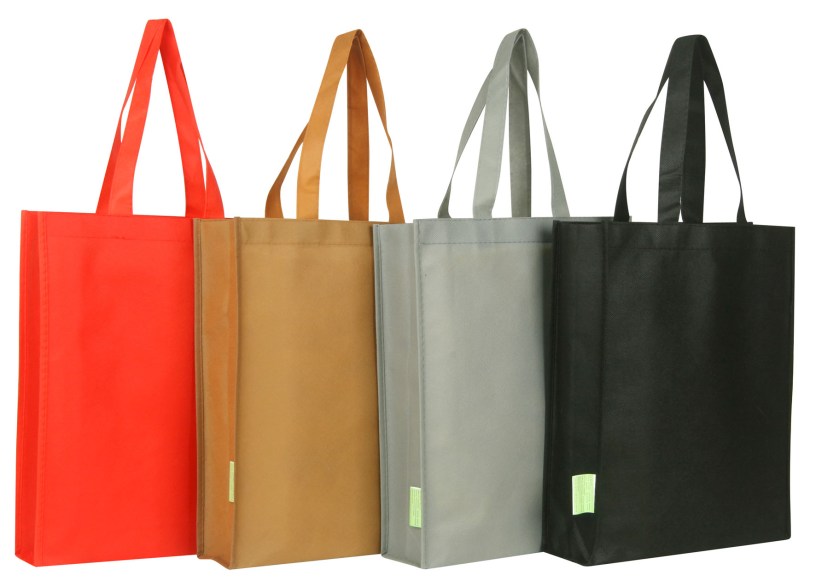
Non woven shopping bags come in a variety of colors and styles
How Are Non Woven Bags Made?
Understanding the non woven bag manufacturing process helps appreciate why these products have become so widespread. The production involves several key stages:
Fiber Selection and Preparation
The process begins with selecting raw materials—typically polypropylene (PP) granules. These small plastic pellets are melted and extruded into continuous filaments or fibers. The quality of these initial fibers directly impacts the final bag’s durability and appearance.
Web Formation
Once fibers are prepared, they’re laid out to form a web or mat. This can happen through several methods:
- Spunbond process: Fibers are spun and laid directly onto a conveyor belt
- Meltblown process: Molten polymer is blown by high-velocity air to create fine fibers
- Dry-laid process: Fibers are dispersed by air onto a moving screen
Bonding
The loose fiber web must be bonded to create a stable fabric. Common bonding methods include:
- Thermal bonding: Heat and pressure fuse fibers together at specific points
- Chemical bonding: Adhesives or binding agents connect fibers
- Mechanical bonding: Needle punching or hydroentangling physically interlocks fibers
Cutting and Assembly
After the non woven fabric is created, it’s cut into appropriate sizes and assembled into bags. This involves:
- Cutting fabric panels to size
- Stitching or ultrasonic welding seams
- Attaching handles
- Adding reinforcements at stress points
- Printing designs or logos if required
Types of Non Woven Bag Materials
Not all non woven shopping bags are created equal. Several materials are used in production, each offering distinct characteristics:
Polypropylene (PP) Non Woven Fabric
Polypropylene is the most common material for non woven bags, accounting for approximately 70% of the market according to the Textile Research Journal. Its popularity stems from:
- Excellent strength-to-weight ratio
- Water-resistant properties
- Low production cost
- Good printability for custom designs
- Recyclability
PP non woven bags typically range from 40-100 GSM (grams per square meter), with higher GSM indicating thicker, more durable fabric.
PET (Polyethylene Terephthalate) Non Woven Fabric
PET non woven material offers premium quality and is often made from recycled plastic bottles. Benefits include:
- Superior durability compared to PP
- Excellent color retention
- Eco-friendly when sourced from recycled materials
- Higher heat resistance
Biodegradable Non Woven Materials
As environmental concerns grow, manufacturers have developed biodegradable alternatives:
- PLA (Polylactic Acid): Derived from corn starch or sugarcane
- Bamboo fiber non woven: Made from sustainable bamboo
- Cotton non woven: Uses natural cotton fibers
Benefits of Using Non Woven Bags
The widespread adoption of reusable non woven bags isn’t coincidental. These products offer compelling advantages for consumers, businesses, and the environment alike.
Durability and Strength
Despite their lightweight construction, non woven bags demonstrate remarkable strength. A standard 80 GSM polypropylene non woven bag can carry 10-15 kg of weight repeatedly without tearing. The bonded fiber structure distributes stress across the entire fabric surface rather than concentrating it at specific points.
Cost-Effectiveness
For businesses seeking promotional materials or retailers offering branded bags, non woven options provide exceptional value. Production costs remain significantly lower than canvas or cotton alternatives, making bulk ordering economical.
| Bag Type | Average Cost per Unit | Reusability |
|---|---|---|
| Non Woven PP | $0.30-$1.00 | 20-50 uses |
| Cotton Canvas | $2.00-$5.00 | 100+ uses |
| Paper Bag | $0.10-$0.30 | 1-3 uses |
| Plastic Bag | $0.01-$0.05 | 1-2 uses |
Customization Options
Non woven fabric accepts printing remarkably well, allowing for:
- Vibrant full-color designs
- Detailed logo reproduction
- Various printing methods (screen printing, heat transfer, lamination)
- Multiple color options for the base fabric
Water Resistance
Unlike paper or cotton bags, polypropylene non woven bags naturally resist moisture. This makes them ideal for grocery shopping, beach trips, or any situation where contents might encounter water.
Lightweight and Foldable
Non woven bags weigh mere ounces yet fold compactly for storage. Many consumers keep several in their car or purse for unexpected shopping needs—a convenience impossible with bulkier alternatives.
Common Uses of Non Woven Bags
The versatility of eco-friendly non woven bags has led to adoption across numerous industries and applications:
Retail and Shopping
Grocery stores, clothing retailers, and bookshops worldwide now offer or sell non woven bags. Many countries have banned single-use plastic bags, accelerating this transition. The United Nations Environment Programme reports that over 127 countries have implemented some form of plastic bag regulation.
Corporate Gifts and Promotional Items
Businesses distribute branded non woven bags at:
- Trade shows and conferences
- Product launches
- Corporate events
- Customer appreciation programs
The large printable surface provides excellent brand visibility, while the bag’s practicality ensures recipients actually use them.
Wine and Bottle Carriers
Specialized non woven bags with dividers safely transport wine bottles, olive oil, or other fragile containers. These often feature reinforced bottoms and padded compartments.
Gift Packaging
Non woven drawstring bags and decorative options have become popular for gift wrapping. They’re reusable, eliminate paper waste, and add a premium feel to presents.
Medical and Healthcare
The healthcare industry utilizes non woven materials extensively for:
- Hospital gowns
- Surgical masks
- Sterile packaging
- Patient belonging bags
Agriculture
Farmers use non woven fabric bags for seedling cultivation and plant protection, benefiting from the material’s breathability and moisture management.
Non Woven Bags vs. Other Bag Types
When choosing an alternative to plastic bags, consumers face several options. Here’s how non woven bags compare:
Non Woven vs. Cotton Canvas Bags
Cotton canvas bags are often perceived as the most eco-friendly option, but the reality is nuanced. According to a Danish Environmental Protection Agency study, a cotton bag must be used 7,100 times to match the environmental impact of a single-use plastic bag when considering full lifecycle impacts.
Non woven PP bags require approximately 11-14 uses to achieve environmental parity with plastic, making them a more practical eco-friendly choice for most consumers.
Non Woven vs. Paper Bags
While paper bags are biodegradable, they:
- Tear easily when wet
- Have limited carrying capacity
- Require significant resources to produce
- Rarely survive more than a few uses
Non woven bags outperform paper in durability, water resistance, and overall usability.
Non Woven vs. Jute Bags
Jute bags offer excellent sustainability credentials as a natural fiber product. However, they:
- Cost significantly more
- Are heavier and bulkier
- May have rougher textures
- Offer limited color options
How to Care for Your Non Woven Bag
Proper maintenance extends the lifespan of your reusable shopping bag, maximizing both value and environmental benefit.
Cleaning Instructions
Most non woven bags can be cleaned easily:
- Spot cleaning: Wipe stains with a damp cloth and mild soap
- Hand washing: Gently scrub in lukewarm water with detergent
- Air drying: Never use a machine dryer; hang to dry instead
Pro Tip: Avoid washing non woven bags in washing machines. The agitation can damage fiber bonds and reduce bag integrity.
Storage Tips
- Store bags flat or loosely rolled
- Keep away from direct sunlight to prevent color fading
- Ensure bags are completely dry before storing to prevent odors
When to Replace
Consider replacing your non woven bag when:
- Handles show significant wear
- Seams begin separating
- Fabric develops holes or thin spots
- The bag retains odors despite cleaning
Environmental Impact and Sustainability
The environmental conversation around non woven polypropylene bags requires nuance. While they’re marketed as eco-friendly, their actual impact depends on usage patterns.
The Reuse Factor
The key to non woven bag sustainability lies in reuse frequency. A 2020 study published in the Journal of Cleaner Production found that:
- Non woven PP bags become environmentally advantageous after 11-14 uses
- Most consumers use their non woven bags 50+ times
- Proper end-of-life recycling further improves environmental outcomes
Recycling Possibilities
Polypropylene non woven bags are technically recyclable, though infrastructure varies by location. Many manufacturers now offer take-back programs. Some companies repurpose old bags into new products, creating a circular economy model.
The Biodegradability Question
Standard PP non woven bags are not biodegradable—they persist in environments for decades if improperly disposed. This has driven development of:
- Oxo-degradable additives that accelerate breakdown
- Bio-based alternatives using PLA or other plant materials
- Recycling programs to capture end-of-life bags
Choosing the Right Non Woven Bag
Selecting the ideal custom non woven bag depends on your specific needs:
Consider the Purpose
- Light shopping: 40-60 GSM standard bags suffice
- Heavy groceries: Choose 80-100 GSM with reinforced handles
- Promotional giveaways: Balance cost with quality perception
- Premium retail: Consider laminated options for enhanced appearance
Size Matters
Common non woven bag dimensions include:
- Small: 8″ x 10″ (gift bags, boutique items)
- Medium: 12″ x 14″ (general shopping)
- Large: 16″ x 18″ (grocery shopping)
- Extra-large: 20″ x 20″+ (bulk shopping)
Handle Styles
Different handle configurations serve different purposes:
- Loop handles: Standard, comfortable for carrying
- Die-cut handles: Integrated into bag design, sleek appearance
- Shoulder straps: Longer handles for hands-free carrying
- Reinforced handles: Extra stitching for heavy loads
Frequently Asked Questions
Are non woven bags waterproof?
Non woven PP bags are water-resistant but not fully waterproof. They’ll protect contents from light rain or spills but shouldn’t be submerged in water.
How long do non woven bags last?
With proper care, quality non woven bags last 1-3 years of regular use, equating to hundreds of shopping trips.
Can non woven bags be recycled?
Yes, polypropylene non woven bags are recyclable at facilities accepting PP plastics. Check local recycling guidelines for specific instructions.
Are non woven bags safe for food?
Standard non woven bags are safe for transporting packaged food. For direct food contact, look for food-grade certified options.
What’s the difference between woven and non woven bags?
Woven bags use interlaced threads creating visible patterns, while non woven bags use bonded fibers creating a smoother, felt-like texture.
Conclusion
Non woven bags represent a practical, cost-effective solution in the global shift away from single-use plastics. Their combination of durability, affordability, and customization options has made them ubiquitous across retail, promotional, and personal use applications.
Understanding what non woven bags are—from their unique manufacturing process to their material composition—empowers consumers and businesses to make informed choices. While not perfect from an environmental standpoint, these reusable bags offer significant improvements over single-use alternatives when used as intended.
The key to maximizing the benefits of your non woven bag lies in frequent reuse, proper care, and responsible disposal or recycling at end of life. As sustainability becomes increasingly central to consumer choices and business practices, the humble non woven bag continues evolving with new materials and improved designs.
Next Steps
Ready to make the switch to reusable non woven bags? Explore our range of custom non woven bag options for your business, or browse our catalog to find the perfect reusable shopping bags for your daily needs. Join thousands of environmentally conscious consumers and businesses making a positive impact—one bag at a time.
References
- United Nations Environment Programme. “Single-Use Plastics: A Roadmap for Sustainability.” UNEP.org
- Danish Environmental Protection Agency. “Life Cycle Assessment of Grocery Carrier Bags.” 2018.
- Journal of Cleaner Production. “Environmental Assessment of Reusable Shopping Bags.” 2020.
- Textile Research Journal. “Advances in Non Woven Technology.” Sage Journals
- Association of the Non Woven Fabrics Industry (INDA). “Non Wovens Industry Report.” 2023.