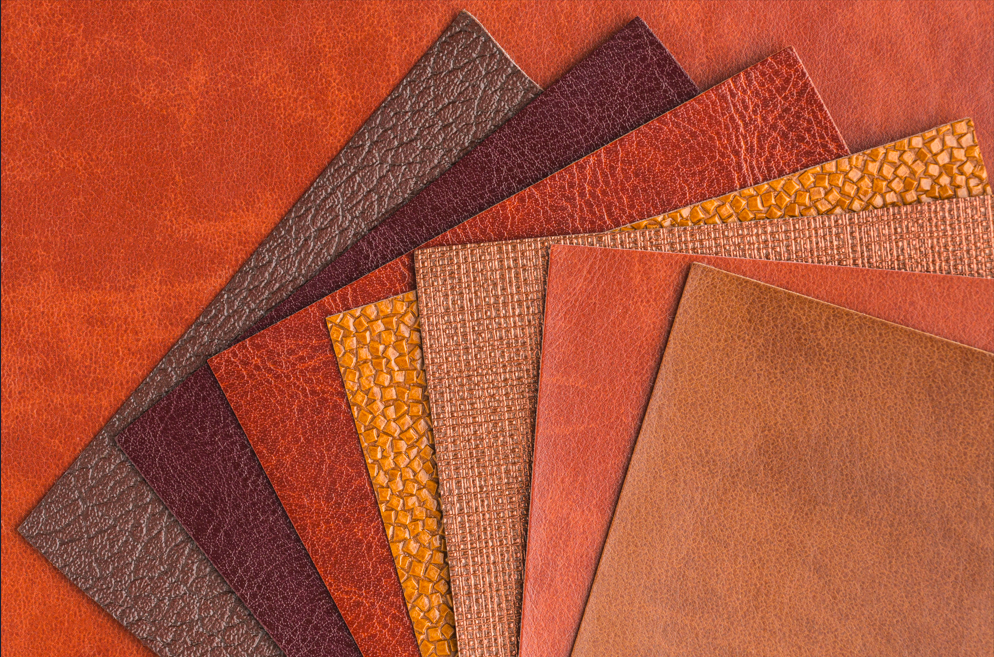
Discover the sustainable, cruelty-free alternative that’s revolutionizing fashion
$89.6B Projected global vegan leather market size by 2026
What Exactly Is Vegan Leather?
Definition
Vegan leather, also known as faux leather, synthetic leather, or pleather, is any material that mimics the appearance, texture, and functionality of traditional animal leather without using any animal products. It’s created through various manufacturing processes using plant-based materials, synthetic polymers, or innovative bio-materials.
Unlike traditional leather, which requires animal hide processing involving harmful chemicals and extensive environmental resources, vegan leather offers a cruelty-free alternative that aligns with modern ethical and environmental values.
The evolution of vegan leather has been remarkable. Early versions were often criticized for their artificial appearance and poor durability. However, today’s advanced manufacturing techniques produce materials that are virtually indistinguishable from genuine leather in both appearance and performance, sometimes even surpassing traditional leather in specific qualities like water resistance and color consistency.
Types and Materials of Vegan Leather
The world of vegan leather encompasses a diverse range of materials, each with unique properties, benefits, and applications. Understanding these variations helps consumers make informed choices based on their specific needs and values.
Polyurethane (PU) Leather
The most common type of vegan leather, PU offers excellent durability, flexibility, and water resistance. It’s breathable, easy to clean, and available in countless colors and textures.
Best for: Handbags, shoes, furniture upholstery
Polyvinyl Chloride (PVC) Leather
A more affordable option with high durability and water resistance. However, environmental concerns regarding PVC production have led many brands to explore alternatives.
Best for: Budget-conscious consumers, rainwear
Mushroom Leather (Mycelium)
A revolutionary bio-material made from mushroom roots. This innovative vegan leather is biodegradable, sustainable, and offers a texture remarkably similar to animal leather.
Best for: Luxury goods, environmentally conscious consumers
Pineapple Leather (Piñatex)
Created from pineapple leaf waste, this sustainable material supports farming communities while providing an eco-friendly leather alternative with unique texture characteristics.
Best for: Accessories, shoes, sustainable fashion
Apple Leather
Made from apple waste from the food industry, this innovative material combines sustainability with performance, offering a soft, flexible texture ideal for various applications.
Best for: Watch bands, small accessories, eco-luxury items
Cork Leather
Harvested from cork oak bark without harming trees, cork leather is naturally water-resistant, antimicrobial, and incredibly durable while maintaining a distinctive natural aesthetic.
Best for: Wallets, bags, sustainable fashion statements
Vegan Leather vs. Traditional Leather
The comparison between vegan leather and traditional animal leather involves multiple factors including ethics, environmental impact, durability, cost, and aesthetic appeal.
| Aspect | Vegan Leather | Traditional Leather |
|---|---|---|
| Ethical Consideration | Cruelty-free, no animal harm | Requires animal slaughter |
| Environmental Impact | Lower carbon footprint, less water usage | High emissions, chemical processing |
| Cost | Generally more affordable | Higher price point, especially premium |
| Durability | Varies by type, improving rapidly | Traditionally long-lasting |
| Maintenance | Easy care, water-resistant options | Requires special care, conditioning |
| Variety | Unlimited colors and textures | Limited by natural variations |
| Breathability | Varies by material type | Naturally breathable |
Myth Buster: “Vegan Leather Doesn’t Last”
Modern vegan leather products, especially those made from high-quality PU or innovative bio-materials, can last 5-10 years with proper care. Some premium vegan leather items even outlast traditional leather in specific conditions due to superior water resistance and color stability.
Environmental Benefits
The environmental advantages of vegan leather extend far beyond the absence of animal products. This sustainable alternative addresses multiple environmental concerns associated with traditional leather production.
Carbon Footprint Reduction
Livestock farming for leather production generates significant greenhouse gas emissions. Vegan leather production typically produces 85% fewer carbon emissions compared to traditional leather manufacturing, contributing to climate change mitigation efforts.
Water Conservation
Traditional leather production requires enormous amounts of water—approximately 15,000 liters per kilogram of finished leather. Vegan leather production uses significantly less water, with some plant-based alternatives requiring 99% less water than conventional leather processing.
Chemical Usage
Conventional leather tanning involves toxic chemicals like chromium, which can contaminate water sources and pose health risks to workers and communities. Many vegan leather alternatives use safer, less toxic manufacturing processes, especially newer bio-based materials.
99%
Land Use Efficiency
Animal agriculture for leather requires vast amounts of land for grazing and feed production. Plant-based vegan leather materials can be produced using agricultural waste or on much smaller land areas, contributing to more efficient land use and reduced deforestation pressure.
Quality and Durability Concerns
Historical concerns about vegan leather quality have largely been addressed through technological advances and improved manufacturing processes. Modern synthetic and bio-based alternatives offer impressive performance characteristics.
Quality Advantages
- Consistent appearance and texture
- Superior water and stain resistance
- UV resistance prevents fading
- Maintains flexibility in cold weather
- Easy cleaning and maintenance
- Hypoallergenic properties
Considerations
- Some types may crack over time
- Lower breathability than genuine leather
- Quality varies significantly between manufacturers
- May not develop patina like traditional leather
- Some synthetic types may have odor initially
The key to selecting high-quality vegan leather lies in understanding the manufacturing process, material composition, and intended use. Premium brands invest in research and development to create products that rival or exceed traditional leather performance.
How to Style Vegan Leather
Vegan leather offers unlimited styling possibilities, often surpassing traditional leather in versatility due to its consistent appearance and wide range of available colors and textures.
Versatile Styling Tips
- Professional Settings: Vegan leather briefcases and pumps provide sophisticated elegance
- Casual Wear: Crossbody bags and sneakers add edgy touches to everyday outfits
- Evening Events: Clutches and heels create glamorous, cruelty-free luxury
- Seasonal Adaptability: Water-resistant properties make vegan leather ideal for all seasons
Color Coordination
One significant advantage of vegan leather is color consistency and availability. Unlike animal leather, which is limited by natural hide variations, vegan alternatives can be produced in virtually any color, from classic blacks and browns to vibrant reds, blues, and even metallic finishes.
Texture Variety
Modern vegan leather can mimic various leather textures including smooth, pebbled, embossed patterns, and even exotic leather appearances without ethical concerns. This variety allows for creative styling and personal expression.

Caring for Your Vegan Leather Items
Proper care extends the lifespan of vegan leather products and maintains their appearance. The maintenance requirements are generally simpler than traditional leather care.
Care Instructions
- Clean regularly with damp cloth and mild soap
- Avoid harsh chemicals and abrasive cleaners
- Store in cool, dry places away from direct sunlight
- Use protective sprays designed for synthetic materials
- Allow proper air circulation during storage
- Address stains promptly to prevent setting
- Use appropriate storage accessories (dust bags, shoe trees)
Longevity Tips
High-quality vegan leather can maintain its appearance for years with proper care. Avoiding extreme temperatures, excessive moisture, and sharp objects helps preserve the material’s integrity and appearance.
Top Vegan Leather Brands
The vegan leather market features numerous innovative brands committed to sustainable, cruelty-free fashion without compromising quality or style.
Luxury Brands
Stella McCartney pioneered luxury vegan fashion, proving that high-end fashion doesn’t require animal products. Matt & Nat focuses exclusively on vegan materials, creating sophisticated bags and accessories.
Innovative Brands
Bolt Threads develops mushroom-based leather alternatives, while Desserto creates cactus leather. These companies represent the cutting edge of sustainable material innovation.
Accessible Brands
Brands like Angela Roi, JW PEI, and Melie Bianco offer stylish, affordable vegan leather options, making ethical fashion accessible to broader audiences.
The Future of Vegan Leather
The future of vegan leather looks incredibly promising, with continuous innovations in materials science, manufacturing processes, and design possibilities.
Emerging Technologies
Biotechnology is revolutionizing vegan leather production. Lab-grown materials, bacterial cellulose, and other bio-engineered alternatives promise even greater sustainability and performance improvements.
Market Growth
Industry analysts predict the global vegan leather market will continue expanding rapidly, driven by consumer awareness, environmental concerns, and improving product quality. Major luxury brands are increasingly adopting vegan alternatives.
49%
Why Vegan Leather Deserves Your Attention
Vegan leather represents the future of responsible fashion. It offers consumers the opportunity to enjoy beautiful, functional leather-like products without compromising their ethical values or environmental consciousness.
The days of choosing between style and sustainability are over. Modern vegan leather delivers on both fronts, providing cruelty-free alternatives that rival traditional leather in appearance, durability, and performance while offering advantages like consistent quality, easier maintenance, and creative design possibilities.
As technology continues advancing and consumer awareness grows, vegan leather will undoubtedly become even more prevalent in fashion, representing a significant step toward a more ethical, sustainable future for the industry.
Whether you’re motivated by animal welfare, environmental concerns, or simply appreciate innovation in fashion, vegan leather deserves serious consideration for your wardrobe. It’s not just an alternative—it’s often an improvement over traditional leather, offering modern solutions for contemporary lifestyle needs.
Ready to Embrace Vegan Leather?
Discover our curated collection of the finest vegan leather products from leading sustainable brands. Start your cruelty-free fashion journey today.