What Makes a Bag “Luxury”?
Luxury is a mix of tangible quality and intangible brand power. To evaluate a bag like an expert (not a hype buyer), focus on these pillars:
- Materials: not just “leather,” but the type, finish, consistency across batches, and how it ages.
- Craftsmanship: stitch alignment, edge paint, glazing, hardware setting, and clean interior finishing.
- Design codes: a recognizable silhouette or construction detail that stays consistent over time.
- Wearability: strap drop, weight, opening style, and whether it fits your daily essentials comfortably.
- After-sales support: repair policies, parts availability, and service quality (varies by brand and region).
Reality note: “Luxury” doesn’t automatically mean “durable forever.” Some delicate leathers scratch easily; some trendy shapes don’t pack well; some chain straps feel heavy after 30 minutes. The right luxury bag is the one that matches your lifestyle.
Real-World Checks Before You Buy
Before you get pulled into rankings, do these quick checks. They save money and regret:
- Set a purpose: daily work bag, travel bag, evening bag, or collector piece.
- Measure your essentials: phone size, sunglasses case, wallet, keys, and any items you never leave home without.
- Choose your “tolerance level”: are you okay with scratches and patina, or do you want a more resilient finish?
- Decide new vs. pre-owned: pre-owned can unlock styles and colors you can’t easily buy today, but requires stronger authenticity checks.
[Image suggestion: A simple “fits test” photo: phone + small pouch + sunglasses + compact umbrella next to a handbag outline.]
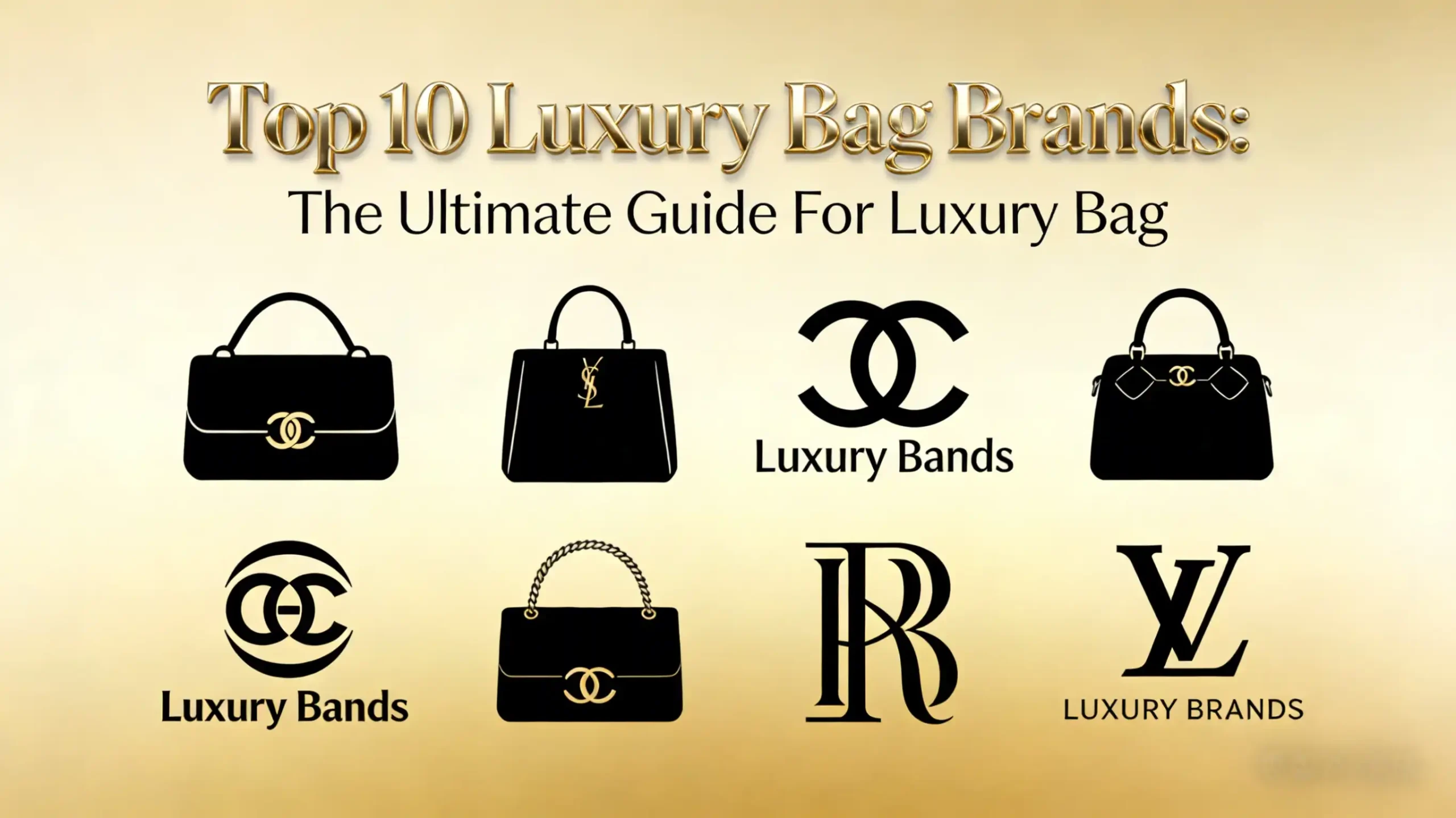
Top 10 Luxury Bag Brands
This list focuses on brands with strong handbag heritage, iconic silhouettes, and consistent global recognition. (Order is not a promise of “best,” because “best” depends on your budget, style, and what you value.)
1) Louis Vuitton
Louis Vuitton is known for travel-rooted design codes, coated canvas craftsmanship, and strong brand recognition worldwide. Many of its most famous pieces are built around practicality: durable materials, functional interiors, and silhouettes that work for travel and daily carry.
- Style signal: travel heritage, monogram, structured everyday pieces.
- Popular categories: totes, crossbodies, travel duffles.
2) Chanel
Chanel is one of the most recognizable luxury houses for classic flap silhouettes, chain straps, and quilted leather aesthetics. Chanel bags often read as “dressy” even with casual outfits, which is exactly why many people love them.
- Style signal: quilted flap, chain strap elegance.
- Best for: refined daily wear, events, and timeless styling.
3) Hermès
Hermès is widely associated with exceptional leatherwork and structured, top-handle icons. Availability can be limited for certain styles, and pricing can be significantly higher than most brands. If you love clean structure and craftsmanship-first storytelling, Hermès is a natural reference point.
- Style signal: structured top-handle, heritage leather goods.
- Best for: collectors, minimalists, and those who value artisanal finishing.
4) Gucci
Gucci blends heritage signatures with fashion-forward seasons. If you like bags that feel bold, expressive, and instantly recognizable—Gucci is a strong choice. The brand’s bag universe ranges from classic logo lines to more trend-led shapes.
- Style signal: strong branding, statement hardware, eclectic attitude.
- Best for: fashion styling and expressive everyday bags.
5) Prada
Prada is often loved for minimalist sophistication and modern utility. Nylon and sleek leather designs have long been part of Prada’s DNA, and many pieces feel “clean” rather than overly decorative—great for people who want luxury without loudness.
- Style signal: minimal lines, modern materials, sleek silhouette.
- Best for: workwear, modern wardrobes, understated luxury.
6) Dior
Dior bags tend to balance elegance and presence—feminine, structured shapes with strong house identity. If you want a bag that looks polished without being too “corporate,” Dior has many options that feel special but still wearable.
- Style signal: structured elegance, signature house details.
- Best for: work-to-evening versatility.
7) Fendi
Fendi is known for playful creativity, distinctive shapes, and strong craftsmanship in leather goods. Many Fendi bags feel like “fashion objects” while still being practical for everyday use.
- Style signal: bold shape language, confident Italian energy.
- Best for: collectors who still want daily usability.
8) Saint Laurent
Saint Laurent is a go-to for sleek, modern silhouettes that pair well with both casual and formal outfits. Many of its bags emphasize clean geometry and a refined, city-ready look.
- Style signal: sharp lines, minimalist glam.
- Best for: day-to-night dressing and polished daily carry.
9) Bottega Veneta
Bottega Veneta is famous for woven leather craft and a “quiet luxury” vibe that doesn’t rely on loud logos. If you want craftsmanship to be the main statement, this brand often delivers that feeling.
- Style signal: woven leather, discreet branding.
- Best for: minimalists who still want a strong design identity.
10) LOEWE
LOEWE is widely recognized for modern artisan design, sculptural silhouettes, and excellent leatherwork. Many pieces feel creative without being difficult to wear, which makes the brand especially attractive for people who want luxury that looks fresh.
- Style signal: modern craftsmanship, sculptural silhouettes.
- Best for: style-forward buyers who still want quality and versatility.
Helpful way to compare: If you love visible branding, look at Louis Vuitton or Gucci. If you prefer understated craft, look at Hermès, Bottega Veneta, or LOEWE. If you want refined, classic polish, Chanel, Dior, and Saint Laurent are strong starting points.
How to Choose the Right Luxury Bag
Use this checklist to narrow down quickly:
- Function first: Do you need hands-free (crossbody), structured work carry (tote), or light evening use (small flap)?
- Material reality: Smooth leather scratches more; textured leather hides wear better; chain straps can feel heavy.
- Comfort test: Strap width, strap drop, and bag weight matter more than most people expect.
- Color strategy: If it’s your first luxury bag, neutrals are the easiest to wear; if it’s your second, go for a signature color.
- Budget honesty: Don’t buy a “high-maintenance” bag if you won’t enjoy caring for it.
If you’re buying for everyday use, consider a structured or semi-structured silhouette with a secure closure and a comfortable strap. If you’re buying for events, prioritize elegance and comfort: a bag that’s too heavy or too small becomes annoying fast.
For shoppers who want something inspired by luxury craftsmanship but built for custom brand needs (materials, compartments, logos, packaging), explore:
custom handbags,
leather bag manufacturer,
custom logo options,
contact us.
Authenticity Basics: How to Reduce Risk
Counterfeits are extremely common in the luxury category. The most reliable way to reduce risk is to buy from official channels or trusted resellers with strong authentication and return policies. If you’re buying pre-owned, focus on process, not “one magic sign.”
- Source quality: Prefer sellers with documented provenance, clear return windows, and professional inspection.
- Match the whole set: materials, stitching, hardware finish, interior labels, and construction should align with the correct year/model.
- Be skeptical of “too good” pricing: huge discounts with no proof are a classic red flag.
- Use brand service when possible: some issues can be clarified by authorized service centers (policies vary).
Important: Authenticity checks are about reducing risk, not achieving “100% certainty” from a few photos. If a purchase would financially hurt you if it turns out to be fake, choose official retail.
Care and Storage: Keep It Beautiful
Luxury bags last longer when you treat them like the materials they are—leather and hardware, not plastic.
- Store with shape support: use soft stuffing to prevent collapse and creasing.
- Avoid humidity and heat: moisture damages leather and encourages mold; heat can warp structure.
- Protect hardware: keep chains and metal parts from rubbing against leather.
- Rotate usage: daily carry accelerates wear; rotation keeps bags looking new longer.
[Image suggestion: A “storage best practices” image: dust bag, soft stuffing, chain wrapped, bag upright on a shelf.]
For Brands: Luxury-Inspired Without Copying
If you’re a brand owner, “luxury-inspired” should never mean copying logos, signature patterns, or protected shapes. The smarter (and safer) approach is to borrow principles:
- Construction upgrades: cleaner edge paint, reinforced handles, smoother zipper runs, better lining stability.
- Material storytelling: specify textures and finishes (smooth, pebbled, suede, woven) and test wear resistance.
- Signature details you own: a unique pocket layout, a distinct strap system, or custom hardware that becomes your code.
- Packaging and after-sales: dust bags, care cards, and repair-friendly design choices build brand trust.
If you want help translating a “luxury feel” into an OEM/ODM spec (materials, structure, logo options, MOQ), start with your target customer, price positioning, and the 1–2 key design codes you want to own long-term.
References