Estimated Reading Time: 6 minutes
Table of Contents
- Introduction
- What Is Private Label Bags?
- Why Choose Private Label for Your Bag Brand
- How to Choose a Reliable Private Label Manufacturer
- The Private Label Design Process
- Understanding MOQ and Negotiation Tips
- Branding and Packaging Considerations
- Common Mistakes to Avoid
- Marketing and Launch Strategy
- Conclusion
Introduction
Building a successful bag brand requires more than just a great idea—it demands the right manufacturing partner and a clear path from concept to customer. Private label bags offer an accessible pathway for entrepreneurs and established brands alike to bring unique products to market without the massive investment required for in-house manufacturing [1].
This comprehensive guide walks you through every step of creating private label bags for your brand. From selecting the perfect manufacturer to navigating minimum order quantities and branding decisions, you’ll find the actionable insights needed to launch your bag collection with confidence.
What Is Private Label Bags?
Private label bags are products manufactured by a third-party factory and branded under your own company name. Instead of starting from scratch with custom tooling and factory setup, you partner with an established manufacturer who produces bags according to your specifications—including your choice of materials, colors, hardware, and branding elements [2].
This business model allows brands to offer unique products without the enormous capital expenditure of owning manufacturing facilities. The manufacturer handles production while you focus on brand development, marketing, and customer relationships. It’s a win-win arrangement that has powered countless successful bag brands worldwide.
Private label arrangements differ from OEM (Original Equipment Manufacturing) and ODM (Original Design Manufacturing). OEM involves customizing existing designs, while ODM provides access to factory-developed designs that can be rebranded. Understanding these distinctions helps you choose the right partnership model for your business goals.
Why Choose Private Label for Your Bag Brand
The private label model offers compelling advantages that make it attractive for brands at every stage:
Lower Initial Investment: Starting a bag brand through private label requires significantly less capital than establishing your own factory. You avoid the massive costs of equipment, tooling, and manufacturing overhead [3].
Faster Time to Market: Partnering with an experienced manufacturer accelerates your path from concept to retail shelf. Rather than building production capabilities from scratch, you leverage existing infrastructure and expertise.
Quality Assurance: Established manufacturers bring years of production experience and quality control systems. This expertise helps ensure your products meet industry standards and customer expectations.
Scalability: As your brand grows, your manufacturing partner can scale production accordingly. This flexibility allows you to test markets with smaller orders before committing to larger production runs.
Focus on Core Competencies: Manufacturing requires specialized knowledge. By outsourcing production, you can concentrate on what you do best—brand building, marketing, and customer engagement.
How to Choose a Reliable Private Label Manufacturer
Selecting the right manufacturing partner is perhaps the most critical decision in your private label journey. The quality of this relationship directly impacts your product quality, delivery timelines, and ultimately, your brand reputation [4].
Evaluate Production Capabilities:
- Assess their experience with your specific bag category
- Review their production capacity and lead time capabilities
- Check material sourcing options and quality control processes
- Verify certifications (ISO, BSCI, etc.) for quality standards
Request and Verify Samples: Always order samples before committing to production. Evaluate material quality, stitching precision, hardware functionality, and overall finish. Request samples from multiple manufacturers to make informed comparisons.
Communication and Responsiveness: Clear, timely communication proves essential throughout the partnership. Test their responsiveness during the inquiry phase—this indicates how they’ll handle issues during production.
Visit Facilities When Possible: If feasible, visit manufacturing facilities in person. Firsthand observation reveals production conditions, worker treatment, and operational organization that photos and reports cannot convey.
The Private Label Design Process
Transforming your bag concept into a market-ready product involves several systematic phases. Understanding this process helps you plan realistically and avoid common pitfalls [5].
Phase 1: Concept Development
Begin with detailed specifications: bag style, target price point, target customer, and desired quality level. Create sketches or reference images that communicate your vision clearly to manufacturers.
Phase 2: Material Selection
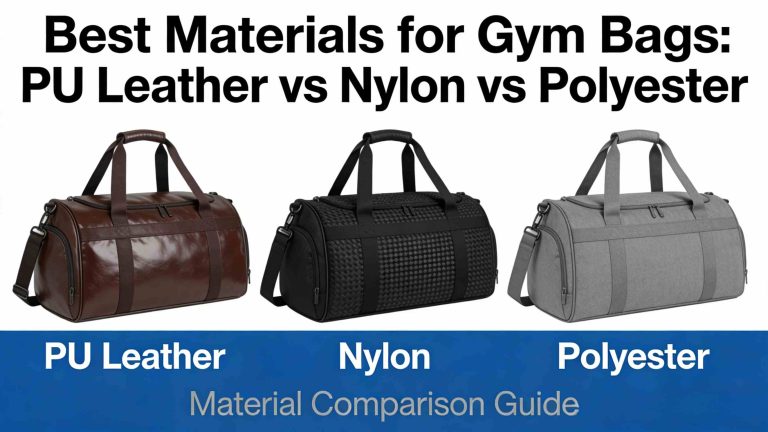
Choose materials that align with your brand positioning. Options include genuine leather, PU leather, canvas, and innovative alternatives like vegan leather. Consider durability, aesthetic appeal, cost, and sustainability factors in your decisions.
Phase 3: Tech Pack Creation
Develop a comprehensive technical package including measurements, material specifications, hardware requirements, color codes, and construction details. This document guides the manufacturer through production.
Phase 4: Sample Development
Manufacturers create initial samples for your review. Expect 2-4 rounds of revisions to refine fit, finish, and functionality. Budget adequate time and sample costs into your timeline.
Phase 5: Production Approval
Once samples meet your standards, approve for bulk production. Establish clear quality benchmarks and inspection procedures for the production run.
Understanding MOQ and Negotiation Tips
Minimum Order Quantity (MOQ) represents the smallest production run a manufacturer will accept. Understanding MOQ dynamics helps you plan orders effectively and negotiate favorable terms.
| Factor | Impact on MOQ | Negotiation Tips |
|---|---|---|
| Custom Materials | Increases MOQ | Start with in-stock colors |
| Custom Hardware | Significantly increases MOQ | Use existing hardware options |
| Order Frequency | Lower for repeat orders | Commit to recurring orders |
| Production Off-season | More flexible terms | Plan orders during slow periods |
Strategies for Lowering MOQ:
- Start with fewer styles in larger quantities per style
- Use manufacturer stock materials and colors initially
- Build relationships for future flexibility
- Consider group ordering with other brands
Remember that MOQ exists to help manufacturers cover setup costs. Demonstrating growth potential and long-term partnership intentions often leads to more flexible arrangements.
Branding and Packaging Considerations
Your brand identity extends beyond the bag itself—packaging and labeling create memorable unboxing experiences that reinforce brand perception.
Logo Application Methods:
- Embossing/Debossing: Creates permanent, premium impression in leather
- Screen Printing: Cost-effective for fabric and canvas bags
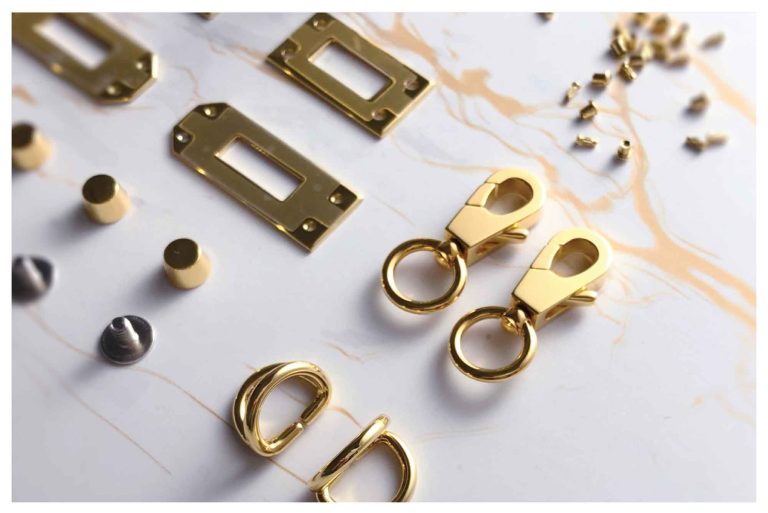
- Metal Logo Plates: High-end appearance, durable attachment
- Woven Labels: Professional finish for interior labeling
Packaging Elements to Consider:
- Dust bags for protection and premium perception
- Branded hang tags with care instructions
- Custom box packaging for retail display
- Reusable shopping bags for customer experience
Invest in packaging that reflects your brand positioning. Premium brands require corresponding packaging quality, while accessible brands can opt for sustainable, cost-effective options that resonate with their target audience.
Common Mistakes to Avoid
Learning from others’ errors saves time, money, and frustration. Here are pitfalls to avoid in your private label journey [6]:
Choosing Price Over Quality: The cheapest option rarely delivers the best value. Poor-quality products damage brand reputation and generate returns that far exceed any initial savings.
Skipping Sample Testing: Never approve production without thoroughly testing samples. Problems discovered after bulk production are exponentially more expensive to resolve.
Underestimating Timelines: Private label production requires patience. Build buffer time into your launch schedule for sample revisions, production, and shipping delays.
Ignoring Communication Barriers: Language and time zone differences complicate international manufacturing. Ensure clear communication channels and documentation practices.
Neglecting Quality Control: Establish clear quality standards and inspection procedures. Consider hiring third-party inspection services for large orders.
Marketing and Launch Strategy
Having great products requires effective marketing to reach customers. Develop a launch strategy that generates buzz and builds brand momentum.
Pre-Launch Preparation:
- Create compelling product photography showcasing details
- Develop product descriptions highlighting unique features
- Build anticipation through teaser campaigns
- Prepare retail-ready imagery and sell sheets
Distribution Channels:
- E-commerce platforms (your own website, Amazon, Etsy)
- Retail boutique partnerships
- Wholesale accounts with resellers
- Social commerce through Instagram and TikTok
Launch Tactics:
- Influencer partnerships for authentic exposure
- Launch discounts to encourage first purchases
- Customer reviews and user-generated content
- Retargeting campaigns for website visitors
Conclusion
Private label bags represent an achievable pathway to building a successful bag brand without the massive capital requirements of manufacturing. The keys to success lie in careful partner selection, clear specifications, realistic timelines, and unwavering quality focus.
Start with thorough research and sample testing. Build relationships with manufacturers who understand your brand vision and can deliver consistent quality. Remember that slow, deliberate planning prevents costly mistakes that could damage your brand reputation.
Ready to bring your private label bag vision to life? Connect with our experienced manufacturing team to discuss your private label requirements. We offer flexible MOQs, comprehensive customization options, and dedicated support throughout your brand journey.
Related articles: How to Find Custom Handbag Manufacturers, Types of Leather for Bag Manufacturing, Handbag Design Complete Guide
References
- Step-by-Step Guide: Building a Strong Brand with Your Private Label Bags – Bags Plaza
- Private Label Bags: Step by Step Guide for Brands – Optima Bags
- 5 Costly Mistakes to Avoid with Private Label Tote Bags – Handbag.io
- From Sketch To Shelf: Developing A Private Label Leather Bag Collection – Sunteam
- Private Label Brand Building in Bags: From Concept to Scalable Business – Bags Rain