Starting a bag business can be incredibly rewarding—and profitable. The global handbag market is expected to reach over $78 billion by 2028, showing just how much opportunity exists. Whether you’re dreaming of launching an eco-friendly tote line or luxury leather bags, this guide will walk you through everything you need to know—from finding your niche to getting your first products made.
Table of Contents
1. Find Your Niche & Build Your Brand
Before you design a single bag, you need to know who you’re designing for. The bag market is crowded, so finding your specific niche is essential.
Identify Your Target Customer: Are you creating bags for busy professionals, eco-conscious shoppers, fashion-forward students, or adventure travelers? Get specific. Think about their age, lifestyle, values, and what problems your bags will solve for them.
Research Market Gaps: Look at what’s already out there. What’s missing? Maybe there’s demand for affordable vegan leather bags, stylish diaper bags that don’t look like diaper bags, or ultra-durable gym bags. According to Shopify’s research on niche markets, businesses that target specific customer needs tend to build stronger brand loyalty.
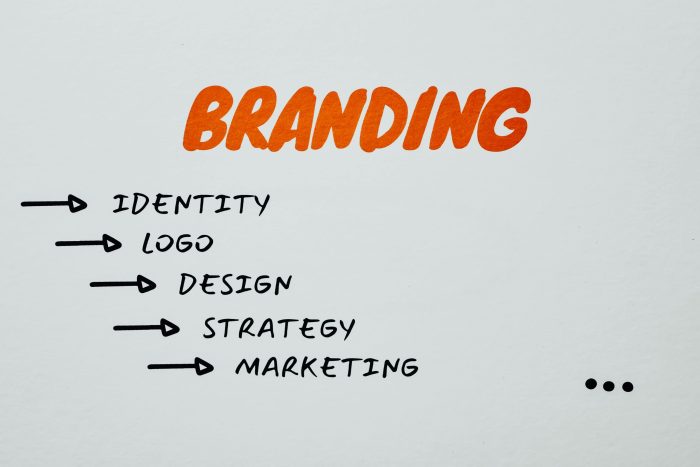
Define Your Brand Identity: Your brand is more than just a logo—it’s the personality of your business. What’s your story? Why are you passionate about bags? Are you all about sustainability, luxury craftsmanship, or affordable style? Your brand voice should reflect this consistently across everything from your website to your social media.
Create Your Visual Identity: Develop a cohesive look with your logo, color palette, and overall aesthetic. This visual consistency helps customers recognize and remember your brand instantly.
2. Design Your Product Line
Now comes the fun part—bringing your ideas to life.
Start with Sketches: You don’t need to be a professional designer. Sketch out your ideas, even if they’re rough. Focus on the bag’s shape, size, and key features. Will it have multiple compartments? Adjustable straps? Special closures?
Choose Your Bag Types: Start small. Instead of launching 20 different styles, pick 2-4 core designs that represent your brand well. Popular options include tote bags, backpacks, crossbody bags, weekender bags, and clutches. Each serves different purposes and appeals to different customers.
Plan Functionality: Think beyond looks. How will people actually use these bags? Consider pocket placement for phones and keys, padded laptop compartments, water bottle holders, or weather-resistant zippers. The best designs balance style with real-world practicality.
Create Prototypes: Before ordering hundreds of bags, make samples. Work with a manufacturer to produce physical prototypes so you can test the design, check quality, and make adjustments. This step saves you from costly mistakes down the line.
3. Source Materials & Find Manufacturers
The materials you choose directly impact your bag’s quality, price point, and brand perception.
Material Options: Common choices include genuine leather (premium and durable), canvas (casual and sturdy), nylon (lightweight and water-resistant), polyester (affordable and versatile), and eco-friendly options like organic cotton, recycled materials, or vegan leather. Each material tells a different brand story and comes at different price points.
Quality vs. Cost: Don’t automatically go for the cheapest option. Poor quality materials lead to unhappy customers and damaged reputation. That said, you don’t need top-tier luxury materials to start. Find the sweet spot that matches your brand positioning and budget.
Finding Suppliers: Look for reputable material suppliers and manufacturers. Platforms like Alibaba connect you with international manufacturers, while domestic options might offer better communication and faster shipping. Request samples before committing to large orders.
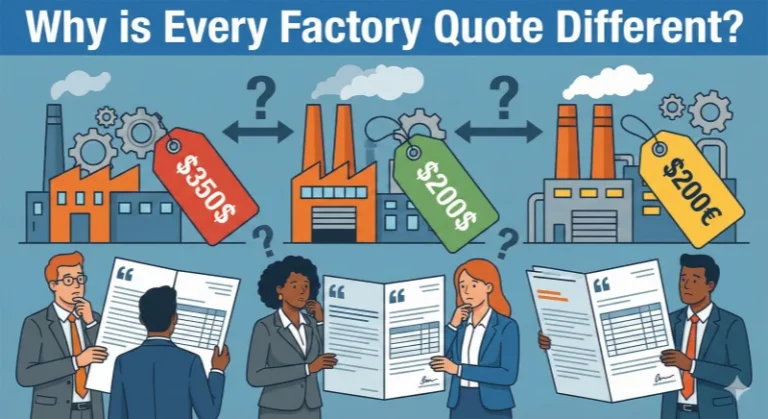
Understanding MOQs: Minimum Order Quantities (MOQs) vary widely. Some manufacturers require orders of 500+ units, while others work with smaller batches. Starting small lets you test the market without huge upfront investment, but larger orders reduce per-unit costs.
Quality Control: Establish clear quality standards with your manufacturer. Specify stitching requirements, hardware durability, color accuracy, and finishing details. Request pre-production samples and conduct inspections before final shipment.

4. Price & Plan Your Business
Getting your pricing right is crucial for profitability and market positioning.
Calculate All Costs: Add up everything—materials, manufacturing, shipping, import duties, packaging, marketing, and your time. Don’t forget platform fees if you’re selling on Shopify, Amazon, or Etsy. According to the Small Business Administration, thorough financial planning is one of the top factors in business success.
Set Your Retail Price: A common formula is to multiply your total cost by 2-3x for wholesale pricing, then double that for retail. So if a bag costs you $20 to make and deliver, you might wholesale it for $40-60 and retail for $80-120. Adjust based on your market positioning.
Choose Your Business Model: Will you sell directly to consumers (D2C) through your own website, wholesale to retailers (B2B), or both? D2C gives you higher margins and direct customer relationships, while wholesale provides volume and established distribution.
Budget Wisely: Start lean. You don’t need a massive inventory right away. Many successful bag brands began with small production runs, tested the market, then scaled up based on demand. Keep cash reserves for unexpected expenses and marketing investments.
5. Launch & Grow Your Business
You’ve got your products—now it’s time to get them in front of customers.
Build Your Online Presence: Create a professional website showcasing your bags with high-quality photos, detailed descriptions, and easy checkout. Platforms like Shopify, WooCommerce, or Squarespace make this accessible even without technical skills. Complement your website with Instagram and Pinterest, which are perfect for visual products like bags.
Choose Sales Channels: Beyond your website, consider marketplaces like Amazon, Etsy, or Faire (for wholesale). Pop-up shops, craft fairs, and local boutiques can also help you build initial buzz and get direct customer feedback.
Marketing Strategies: Social media marketing, influencer partnerships, email campaigns, and content marketing (like blogs about bag care or styling tips) all help build awareness. User-generated content—customers posting photos with your bags—provides authentic social proof.
Build Customer Relationships: Excellent customer service turns one-time buyers into loyal fans. Respond quickly to questions, handle returns gracefully, and consider loyalty programs or referral incentives. Happy customers become your best marketers.
Overcome Common Challenges: Cash flow management, production delays, and fierce competition are normal hurdles. Stay flexible, communicate transparently with customers about any issues, and continuously gather feedback to improve your products and processes.
Ready to Start Your Bag Business?
Starting a bag business requires careful planning, creativity, and persistence—but it’s absolutely achievable. The key is to start focused: know your niche, create quality products that solve real problems, and build genuine connections with your customers.
Don’t wait for everything to be perfect. Start with a small product line, test the market, learn from feedback, and grow from there. Many of today’s successful bag brands began exactly where you are now—with an idea and the courage to bring it to life.
If you’re sourcing custom bags in bulk, working directly with a manufacturer can reduce cost and improve quality.Contact
Message Us on WhatsApp for Fast Factory Support