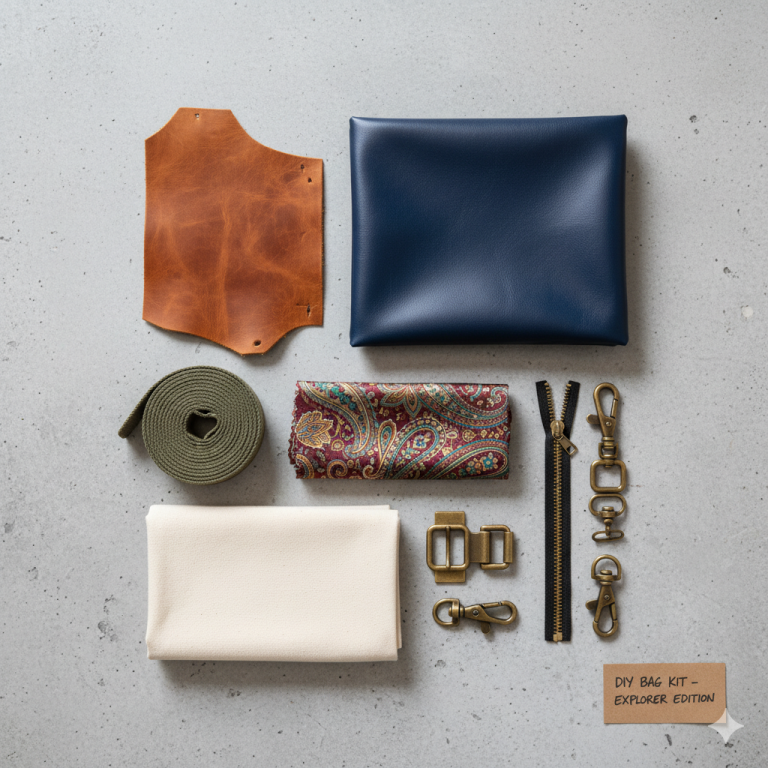

Professional techniques, material science, and expert tips to preserve your investment for decades
A beautiful handbag is more than an accessory—it’s an investment, a daily companion, and often, a piece of art. Whether you’ve splurged on a luxury designer piece or found the perfect everyday bag, the question remains the same: How do you keep it looking as flawless as the day you bought it?
The truth is, even the highest-quality handbags require intentional care. Leather dries out, hardware tarnishes, fabric stains, and improper storage can cause permanent damage. But with the right knowledge—understanding why materials degrade and how to prevent it—you can extend your bag’s lifespan by years, even decades.
This comprehensive guide goes beyond surface-level advice to give you professional-grade techniques used by luxury restoration experts, the science behind material care, and a complete maintenance schedule to keep your handbag looking brand new.
Table of Contents
- Why Handbag Care Matters More Than You Think
- Know Your Material: A Deep Dive
- The Complete Guide to Leather Handbag Care
- Caring for Fabric and Canvas Handbags
- Hardware Maintenance: Zippers, Chains & Clasps
- Storage Secrets: The Foundation of Preservation
- Emergency Stain Removal Guide
- Daily Habits That Protect Your Investment
- When to Seek Professional Restoration
- Seasonal Care Calendar
1. Why Handbag Care Matters More Than You Think
Many people treat handbag maintenance as an afterthought—something to address when problems become visible. But by then, much of the damage is irreversible. Understanding the “why” behind care helps you commit to prevention rather than cure.
A well-maintained luxury handbag can retain up to 300% more resale value than a neglected one of the same age and model.
The Hidden Enemies of Your Handbag
Your handbag faces daily assaults you may not even notice:
- Body Oils & Cosmetics: The oils from your hands, spilled makeup, and hand cream residue gradually darken handles and exterior leather.
- UV Radiation: Sunlight fades colors and dries out natural materials, causing leather to crack and fabric to weaken.
- Humidity Fluctuations: Extreme dryness causes leather to crack; excessive moisture promotes mold growth.
- Weight Stress: Overloading distorts the bag’s shape permanently, stretching seams and handles.
- Color Transfer: Dark denim, magazines, and receipts can leave permanent stains on light-colored bags.
🔬 The Science Behind Material Degradation
Leather is essentially preserved animal skin composed of collagen fibers. These fibers require moisture to remain flexible. When leather loses moisture (through heat, sun exposure, or dry environments), the collagen fibers become brittle and crack—a process called “red rot” in severe cases. This is why conditioning isn’t optional; it’s essential chemistry.
2. Know Your Material: A Deep Dive
Before you can properly care for your handbag, you must understand what it’s made of. Different materials have vastly different needs.
| Material | Key Characteristics | Primary Care Need | Common Mistakes |
|---|---|---|---|
| Full-Grain Leather | Natural surface, develops patina, most durable | Regular conditioning | Using harsh cleaners that strip oils |
| Saffiano Leather | Cross-hatch texture, scratch-resistant coating | Gentle cleaning, avoid abrasives | Scrubbing that damages the coating |
| Suede & Nubuck | Soft, napped finish, highly absorbent | Waterproofing, specialized brushing | Using water or liquid cleaners |
| Canvas | Durable fabric, often coated | Spot cleaning, protective spray | Machine washing coated canvas |
| Vegan Leather (PU/PVC) | Synthetic, prone to peeling | Keep away from heat, gentle wiping | Using leather conditioners (not absorbed) |
| Exotic Skins | Crocodile, python—delicate scales | Specialized products only | Using standard leather products |
3. The Complete Guide to Leather Handbag Care
Leather remains the most popular material for handbags, from everyday totes to luxury investment pieces. Proper leather care involves four pillars: cleaning, conditioning, protecting, and polishing.
The Four Pillars of Leather Care
Cleaning
Remove surface dirt and grime before they penetrate the leather. Use a soft, lint-free cloth dampened with distilled water. For deeper cleaning, use a pH-balanced leather cleaner.
Conditioning
Replenish lost moisture and oils to keep leather supple. Apply a quality leather conditioner every 3-6 months, depending on use and climate. Work in circular motions and let it absorb overnight.
Protecting
Create a barrier against water, stains, and UV damage. Apply a leather protectant spray after conditioning. Reapply every few months or before exposure to harsh conditions.
Polishing
Restore shine and even out color. Use a matching leather polish sparingly for patent or glossy leather. Buff with a soft cloth to a gentle sheen.
Step-by-Step Leather Cleaning Process
- Empty the bag completely and turn it upside down to remove debris.
- Dust the exterior with a soft-bristled brush or microfiber cloth.
- Test your cleaner on an inconspicuous area (inside flap or bottom corner).
- Apply cleaner sparingly to a cloth—never directly on the leather.
- Wipe in gentle circular motions, working in small sections.
- Remove residue with a clean, damp cloth.
- Allow to air dry completely away from direct heat or sunlight.
- Apply conditioner once fully dry.
4. Caring for Fabric and Canvas Handbags
Fabric handbags—including canvas, nylon, and textile designs—require different care approaches than leather. While often more forgiving, they have their own vulnerabilities.
Canvas and Coated Canvas Care
Brands like Louis Vuitton and Goyard use coated canvas, which has a protective layer over the fabric. This coating is durable but not indestructible.
- Daily Maintenance: Wipe with a slightly damp cloth to remove dust and fingerprints.
- Stain Treatment: Use a gentle soap (like Castile soap) diluted in water. Apply with a soft cloth, then wipe clean.
- Avoid: Submerging in water, machine washing, or using abrasive scrubbers that can scratch the coating.
Uncoated Canvas and Cotton Care
Uncoated canvas is more absorbent and prone to staining but easier to deep clean:
- Spot Cleaning: Address stains immediately with a fabric cleaner.
- Deep Cleaning: Hand wash with cold water and mild detergent. Do not wring—press between towels to remove water.
- Drying: Reshape while damp and air dry completely to prevent mildew.
- Protection: Apply a fabric protector spray to repel water and stains.
5. Hardware Maintenance: Zippers, Chains & Clasps
The hardware on your handbag—zippers, chains, buckles, and clasps—adds both function and aesthetic value. Tarnished or malfunctioning hardware can ruin an otherwise pristine bag.
Preventing Hardware Tarnish
| Hardware Type | Tarnish Cause | Prevention Method | Cleaning Solution |
|---|---|---|---|
| Gold-Tone | Oils, moisture, friction | Wipe after each use | Soft cloth with warm water |
| Silver-Tone | Air exposure, sulfur compounds | Store in anti-tarnish pouches | Silver polishing cloth |
| Brass | Oxidation (develops patina) | Some prefer natural aging | Brass cleaner if preferred shiny |
| Palladium | Highly resistant | Minimal care needed | Gentle wipe only |
Zipper Care
A stuck or broken zipper is one of the most common handbag problems—and one of the most preventable:
- Lubricate regularly: Run a graphite pencil along the zipper teeth, or use a specialized zipper lubricant.
- Don’t force it: If a zipper sticks, stop. Forcing it can break teeth or damage the fabric.
- Check for debris: Threads, lint, or fabric caught in zippers cause most jams.
6. Storage Secrets: The Foundation of Preservation
How you store your handbag when not in use is arguably more important than how you clean it. Improper storage causes shape distortion, color fading, and material degradation.
✓ The Perfect Storage Checklist
- Stuff the bag with acid-free tissue paper or a purse pillow to maintain shape
- Store upright—never stack bags on top of each other
- Use the original dust bag, or a breathable cotton pillowcase
- Keep in a cool, dry place away from direct sunlight
- Leave a small gap in the zipper for air circulation
- Store chains and straps inside the bag to prevent impressions
- Add silica gel packets to control humidity
- Rotate your collection—don’t leave any bag unused for over 6 months
7. Emergency Stain Removal Guide
Accidents happen. Here’s how to address common stains on your handbag before they become permanent:
Ink Stains
On Leather: Act immediately. Apply a small amount of rubbing alcohol to a cotton swab and gently dab (don’t rub) the stain. Follow with leather conditioner to restore moisture.
On Fabric: Place paper towels under the stain, apply rubbing alcohol, and blot from the outside in to prevent spreading.
Water Stains
On Leather: Counterintuitively, dampen the entire panel evenly with a wet cloth, then let it dry naturally. This prevents the “ring” effect. Condition afterward.
On Suede: Let dry completely, then brush gently with a suede brush to restore the nap.
Oil and Grease Stains
On Leather: Sprinkle cornstarch or talcum powder on the stain and leave overnight. The powder absorbs the oil. Brush off gently in the morning.
On Fabric: Apply dish soap directly, let sit for 10 minutes, then blot with warm water.
Color Transfer (Denim Stains)
This is one of the hardest stains to remove. For light-colored handbags, try a leather cleaner specifically designed for color transfer. For severe cases, professional restoration may be necessary. Prevention is key—avoid wearing new dark denim with light bags.
8. Daily Habits That Protect Your Investment
The best handbag care isn’t about occasional deep cleaning—it’s about daily habits that prevent damage in the first place.
Smart Daily Practices
- Use a bag organizer insert: Keeps items contained, prevents spills, and distributes weight evenly.
- Cap all pens and secure cosmetics: Pen explosions and makeup spills are top causes of interior damage.
- Avoid overfilling: If you’re struggling to close it, it’s too full. Overstuffing strains seams and distorts shape.
- Set it down carefully: Never place your bag on the floor. Use a bag hook or keep it on a chair beside you.
- Rotate your bags: Giving each bag “rest days” allows materials to recover from stress.
- Wash your hands: Clean hands mean clean handles. Apply hand cream after you’ve put down your bag.
- Be mindful of clothing: Avoid rough fabrics or studded belts that can scratch your bag.
9. When to Seek Professional Restoration
While regular home care handles most issues, some problems require professional intervention. Knowing when to call an expert saves your handbag from DIY disasters.
Signs You Need a Professional
Deep Scratches or Gouges
Surface scratches can often be buffed out at home, but deep cuts that penetrate the leather require professional filling and color matching.
Significant Color Fading
Sun damage or age-related fading may need professional re-dyeing. This requires expertise to match the original shade.
Structural Damage
Broken handles, torn stitching, or damaged corners need skilled repair to maintain the bag’s integrity and value.
Mold or Mildew
If mold has penetrated the leather, home cleaning may spread it. Professionals have specialized treatments to eliminate spores completely.
Authentication Concerns
For luxury resale, professional cleaning with documentation can increase buyer confidence and resale value.
For luxury handbags, brands like Louis Vuitton, Chanel, and Hermès offer in-house repair services. While expensive, using the brand ensures authentic materials and expert craftsmanship.
10. Seasonal Care Calendar
Your handbag care routine should adapt to the seasons. Here’s a year-round maintenance schedule:
| Season | Focus Areas | Key Actions |
|---|---|---|
| Spring | Post-winter recovery | Deep clean, condition leather, check for mold from winter storage, apply UV protectant |
| Summer | Sun and sweat protection | Increase conditioning frequency, avoid leaving bags in hot cars, use lighter-colored bags |
| Fall | Preparing for harsh weather | Apply waterproofing treatment, inspect hardware, organize for bag rotation |
| Winter | Moisture and salt protection | Wipe off salt stains immediately, store summer bags properly, avoid snow and rain exposure |
Conclusion: Your Handbag Deserves Intentional Care
Keeping your handbag looking brand new isn’t about perfection—it’s about consistency. Small, intentional habits compound over time to preserve your investment, whether it’s a $50 canvas tote or a $5,000 designer treasure.
Remember: every handbag tells a story. With proper care, yours will be a story of beauty, longevity, and timeless style—not one of neglect and premature aging. Start implementing these techniques today, and your future self (and your bag) will thank you.
Invest in Quality That Lasts
Looking for handbags crafted with premium materials designed for longevity? Explore our curated collection of expertly made bags that stand the test of time.
References & Resources