The global fitness equipment and accessories market is experiencing unprecedented growth, and with it, the demand for high-performance gear. For fitness entrepreneurs and established sports brands, the difference between a market leader and a failed venture often comes down to one critical partner: your gym bag manufacturer.
A reliable manufacturer does more than just stitch fabric; they are a strategic partner that ensures your brand’s reputation for quality, durability, and innovation. However, navigating the landscape of global manufacturing—from sourcing raw materials to ensuring ethical labor practices—can be a daunting task.
Table of Contents
- 1. The State of the Gym Bag Industry in 2024
- 2. How to Vet a Reliable Gym Bag Manufacturer
- 3. The Manufacturing Process: From Concept to Bulk
- 4. Material Science: Choosing the Right Fabrics
- 5. Customization Options: OEM vs. ODM Services
- 6. Quality Control and Compliance Standards
- 7. Sustainability in Bag Manufacturing
- 8. Understanding Manufacturing Cost Structures
- 9. Conclusion: Building a Long-term Partnership
1. The State of the Gym Bag Industry in 2024
In recent years, gym bags have evolved from simple duffels into specialized gear. According to market research by Statista, the sports bag market is projected to grow at a CAGR of over 5.2% through 2028. This growth is driven by the “athleisure” trend and a heightened focus on specialized bags for CrossFit, yoga, and hybrid work-life balance (the “work-to-gym” bag).
When searching for a gym bag manufacturer, you are no longer just looking for a factory; you are looking for a facility that understands these shifts in consumer behavior and can offer technical features like antimicrobial linings, waterproof compartments, and ergonomic weight distribution.
2. How to Vet a Reliable Gym Bag Manufacturer
Finding a factory is easy; finding the right one is hard. To ensure you are partnering with a top-tier supplier, consider the following “Big Three” criteria:
Technical Expertise and Equipment
Does the manufacturer have modern machinery? Look for factories that use automated cutting machines and computerized stitching to ensure consistency across thousands of units. A high-quality gym bag manufacturer should be able to handle complex features like laser-cut ventilation holes or bonded seams.
Production Capacity and MOQs
Minimum Order Quantities (MOQs) are a major hurdle for startups. While some massive factories require 1,000+ units per style, specialized manufacturers may offer lower MOQs (e.g., 200–500 units) to help new brands scale. Always ask: “What is your peak season capacity, and how do you handle lead times during Chinese New Year or other holidays?”
3. The Manufacturing Process: From Concept to Bulk
Understanding the workflow of a gym bag manufacturer helps you manage your timeline and expectations. Typically, the process involves five key stages:
- Design & Tech Pack: You provide the blueprints (Tech Pack). If you don’t have one, some manufacturers offer in-house design services.
- Sourcing: The manufacturer gathers materials (outer shell, zippers, mesh, foam padding).
- Prototyping (Sampling): The first physical version of your bag is made. This usually takes 7–14 days. Expect to pay 2-3x the bulk price for a sample.
- Bulk Production: Once the sample is approved, the factory begins mass production. This includes cutting, sewing, and assembly.
- Packaging & Shipping: Bags are inspected, packed into polybags, and crated for sea or air freight.
4. Material Science: Choosing the Right Fabrics
The durability of your product is determined by the material. A professional gym bag manufacturer should offer a variety of “Denier” counts (a unit of measure for the linear mass density of fibers).
| Material | Pros | Best For |
|---|---|---|
| 600D Polyester | Affordable, versatile, easy to print on. | Budget-friendly gym bags. |
| 1000D Cordura Nylon | Ultra-durable, abrasion-resistant. | Premium, heavy-duty tactical gym bags. |
| TPU / Tarpaulin | 100% Waterproof, sleek aesthetic. | Outdoor sports and wet/dry bags. |
| RPET (Recycled Polyester) | Eco-friendly, appeals to Gen Z. | Sustainable fitness brands. |
5. Customization Options: OEM vs. ODM Services
When talking to a gym bag manufacturer, you need to know which service model you require:
OEM (Original Equipment Manufacturer)
You provide the design, and they make it. You have total control over the branding, dimensions, and features. This is ideal for established brands with unique intellectual property.
ODM (Original Design Manufacturer)
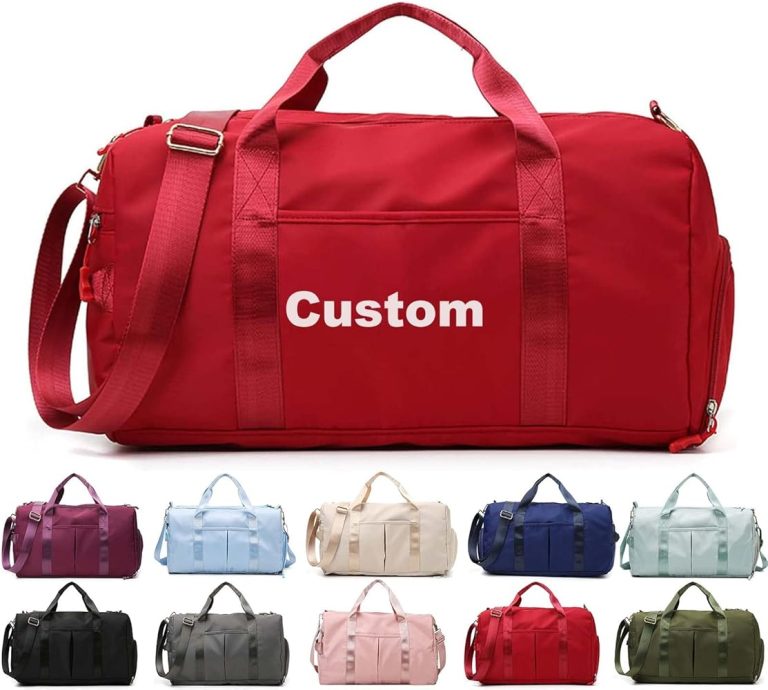
The factory has “white label” designs already developed. You simply pick a model and add your logo. This is faster and cheaper, perfect for influencers or local gyms wanting branded merchandise quickly.
6. Quality Control and Compliance Standards
Your brand cannot afford a “broken zipper” crisis. A top-tier gym bag manufacturer will have an internal Quality Assurance (QA) team that follows AQL (Acceptable Quality Limit) standards.
- Stress Testing: Handles and straps should be tested to hold at least 20kg of weight without tearing.
- Zipper Cycles: Zippers should be tested for thousands of “open/close” cycles (e.g., using YKK zippers is a gold standard).
- Color Fastness: Ensuring the bag doesn’t bleed color when exposed to sweat or rain.
7. Sustainability in Bag Manufacturing
Sustainability is no longer a “nice-to-have.” Many brands are moving away from virgin plastics. Leading gym bag manufacturers are now incorporating GRS (Global Recycled Standard) certified materials. Ask your supplier about carbon-neutral shipping options or biodegradable packaging to align with modern consumer values.
8. Understanding Manufacturing Cost Structures
Why does one bag cost $5 and another $25? A transparent gym bag manufacturer will break down the costs into:
- BOM (Bill of Materials): The cost of every fabric, zipper, and thread.
- CMT (Cut, Make, Trim): The labor cost for assembly.
- Overheads: The factory’s profit and operational costs.
- Logistics: Duties, taxes, and shipping fees.
Remember: “Buy cheap, buy twice.” A slightly higher unit price often saves you thousands in returns and negative customer reviews.
9. Conclusion: Building a Long-term Partnership
Choosing a gym bag manufacturer is one of the most significant decisions for your fitness business. By prioritizing quality over the lowest price, vetting for technical competence, and insisting on strict quality control, you set your brand up for long-term success.
The right partner will grow with you—offering better terms, faster lead times, and innovative design suggestions as your order volumes increase. Start small, test rigorously, and build a relationship based on transparency and mutual growth.
Ready to Launch Your Premium Gym Bag Line?
As a leading gym bag manufacturer with over 15 years of experience, we help brands turn concepts into best-selling products. From high-performance fabrics to expert craftsmanship, we are your manufacturing partner of choice.
References & Authoritative Sources