Estimated Reading Time: 7 minutes
Table of Contents
Introduction
1. Gym Duffel Bags — The High-Capacity Choice
— Key Features Buyers Should Specify for Duffel Bags
2. Gym Backpacks — The Hands-Free Option for Commuters
3. Gym Tote Bags — The Lifestyle Choice for Studio Markets
4. Side-by-Side Comparison — Which Fits Your Market?
5. Conclusion — Match the Style to Your Market
Duffel vs Backpack vs Tote Gym Bag: Which Style Should You Source for Your Market?
The global sports bag market is projected to reach $1 billion by 2035, growing at 4.85% CAGR, and the style you choose to source determines your target audience, price point, and manufacturing complexity. Duffel bags, backpacks, and totes each serve distinct customer segments with different capacity requirements, cost structures, and customization possibilities. Backpacks currently dominate with 49% of the market, followed by duffel bags at 41%, while totes and other styles make up the remaining 10% according to the latest Sports Bags Market Report.
This guide breaks down each style from a manufacturer’s perspective — covering the specifications, cost drivers, and target markets you need to evaluate before sourcing custom gym bags for your brand. If you are a brand owner, wholesaler, or Amazon seller deciding which product line to launch first, start here.
1. Gym Duffel Bags: The High-Capacity Choice for Serious Athletes and Travelers
If your target customers are high-frequency gym-goers, athletes, or travelers who carry full gear, source a duffel bag — it offers the largest capacity (35–60 L) and the most flexible storage configuration. Duffel bags account for 41% of the sports bag market and are preferred by 58% of athletes worldwide for multi-sport activities according to industry data. A typical gym duffel holds shoes, a full change of clothes, towel, water bottle, and accessories with room to spare.
From a manufacturing standpoint, duffel bags are the most straightforward style to produce. Their cylindrical or rectangular construction uses fewer pattern pieces than backpacks, which translates to lower labor costs per unit. The standard material for mid-market duffels is 600D PU-coated polyester, which balances abrasion resistance with printability. For premium lines, 1680D ballistic nylon or TPU-laminated fabrics offer superior tear strength and waterproofing at a higher material cost.
Duffel bags also offer the largest branding surface area. The side panels and end caps provide flat, uninterrupted space for screen printing, heat transfer, or rubber patch logos — making them ideal for brands that prioritize visual impact on retail shelves or Amazon listing images.
Key Features Buyers Should Specify for Duffel Bags
When sourcing duffel bags, five specifications determine product quality and cost: zipper grade, bottom reinforcement, handle construction, stitch density, and compartment layout. Get these right and your bag survives daily use. Cut corners on any one and returns increase.
- Zipper Grade: Specify YKK or SBS #8 or #10 zippers for the main compartment. A #5 zipper costs $0.60–0.80 less per bag but fails 3x faster under load. For wet-dry compartments, request YKK AquaGuard® waterproof zippers.
- Bottom Reinforcement: Require a PE board (1–2 mm) or EVA foam (2–6 mm) insert sandwiched between two layers of fabric. This prevents bag sag and protects contents when set on wet floors.
- Handle & Strap Anchors: Box-X stitching with bartack reinforcement at all stress points. Target 200N+ pull force for shoulder strap anchor patches.
- Stitch Density: 14–18 stitches per 10 cm with a minimum of 3 back-stitch passes at every corner. This is the fastest factory-floor proxy for seam strength.
- Compartment Layout: At minimum, include a ventilated shoe pocket (35 cm+ length), a zippered wet pocket for sweaty clothes, and one external water bottle slot. These are now baseline expectations in the US market.
A well-specced duffel bag typically requires 300–500 pcs MOQ per design. Sample development takes 7–10 days, and mass production averages 40–50 days depending on quantity and customization complexity.
2. Gym Backpacks: The Hands-Free Option for Urban Commuters and Work-to-Gym Users
If your target market is urban professionals, students, or commuters who need to carry gym gear alongside a laptop, source a gym backpack — it is the fastest-growing segment, driven by the work-to-gym lifestyle. Backpacks hold 49% of the sports bag market, with 62% of young athletes preferring them for ease of carrying according to market analysis. A typical gym backpack offers 20–35 L of capacity, which is sufficient for a change of clothes, shoes, towel, and a 15-inch laptop.
Gym backpacks are more complex to manufacture than duffel bags. The suspension system — padded shoulder straps, chest strap, and ventilated back panel — adds 4–6 additional components and 2–3 more assembly steps per unit. This increases labor cost by 15–25% compared to a duffel of equivalent material quality. The trade-off is access to a larger addressable market: commuters who cycle, walk, or take public transit to the gym represent a demographic that will not buy a duffel bag.
From a sourcing perspective, backpacks require higher MOQs (typically 500–1,000 pcs per design) due to the additional pattern pieces and assembly tooling. However, they also command a higher retail price point — gym backpacks in the US market typically retail 20–30% above comparable duffels, partially offsetting the higher manufacturing cost.
Key specifications to define in your tech pack include: padded laptop sleeve (15″ or 17″), shoe compartment ventilation (mesh panel or separate zippered pocket), ergonomic shoulder straps with 10–20 mm EVA foam padding, and breathable back panel construction (molded channels or mesh suspension). USB charging port pass-through is a popular add-on that appeals to commuters but adds $0.50–1.00 per unit and requires QC testing for electronic components.
3. Gym Tote Bags: The Lifestyle Choice for Yoga, Studio, and Female-Focused Markets
If your target market skews female, studio-focused, or lifestyle-oriented, source a gym tote bag — it bridges the gap between fitness function and daily fashion. Tote-style gym bags typically hold 15–25 L, ideal for a change of clothes, yoga mat, water bottle, and personal items. While they represent a smaller share of the sports bag market, they dominate the female fitness segment — an area where duffel bags significantly under-index.
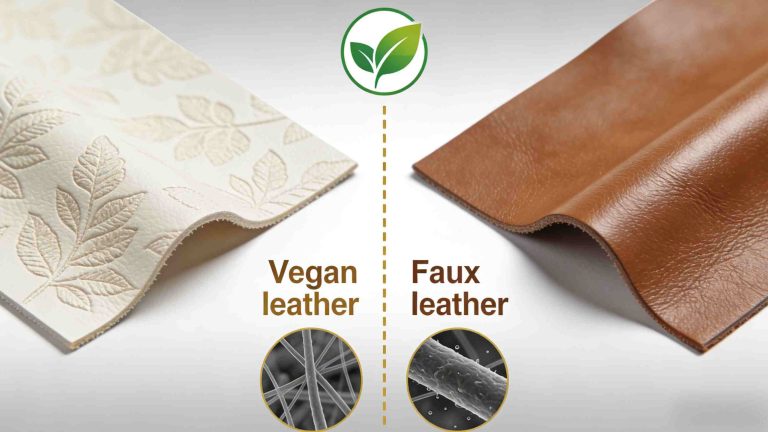
Gym totes differ from duffels and backpacks in both materials and construction. The most popular material choices include waxed canvas (for a rugged premium look), PU-coated cotton (lightweight with color flexibility), and vegan leather (highest-end positioning). These materials require different cutting and sewing techniques than standard polyester or nylon, and not all factories have experience working with them. When sourcing totes, verify that your manufacturer has samples of similar constructions before committing to production.
From a pricing perspective, gym totes fall into two tiers: entry-level totes in 600D polyester (FOB $4–7) targeting mass-market retail, and premium totes in waxed canvas or vegan leather (FOB $8–15) targeting boutique brands and DTC channels. MOQs are generally more flexible than backpacks — 200–500 pcs per design is standard.
Logo placement on totes is more limited than on duffels or backpacks due to smaller surface areas. The most effective branding methods for totes are center-front screen printing (for cotton/PU fabrics), debossed or foil-stamped logos (for vegan leather), and woven labels sewn into the top edge. Metal hardware — zipper heads, rivets, and D-rings — offers additional branding opportunities through custom engraving.
4. Side-by-Side Comparison: Duffel vs Backpack vs Tote — Which Fits Your Market?
The right choice depends on three factors: your target customer’s primary use case, your target retail price point, and your channel strategy. The table below summarizes the key differences to help you decide.
| Comparison Factor | Duffel Bag | Gym Backpack | Gym Tote |
|---|---|---|---|
| Capacity | 35–60 L | 20–35 L | 15–25 L |
| Market Share (Sports Bags) | 41% | 49% | ~10% |
| Primary User | Athletes, travelers, heavy gear carriers | Urban commuters, students, work-to-gym users | Female fitness, yoga, studio, lifestyle buyers |
| Typical FOB Price | $5–12 | $7–16 | $4–15 |
| Typical MOQ | 300–500 pcs | 500–1,000 pcs | 200–500 pcs |
| Manufacturing Complexity | Low–Medium | Medium–High | Low–Medium |
| Best Channel | Amazon, sporting goods stores, team sales | DTC, office/commuter accessories, campus stores | Boutique, yoga studios, lifestyle DTC, athleisure |
| Best Logo Method | Side panel screen print / rubber patch | Chest woven label / front heat transfer | Center foil stamp / deboss / woven label |
How to decide: If you are launching on Amazon and targeting a broad audience, start with a duffel bag — it has the widest appeal, lowest manufacturing complexity, and the strongest proof of concept. If your brand targets commuting professionals who combine work and fitness, invest in a backpack despite the higher MOQ — the 49% market share reflects genuine demand. If you are building a lifestyle or female-focused brand, a tote bag offers the lowest entry MOQ and the highest brand perception per dollar of manufacturing cost.
A low-risk testing strategy is to sample all three styles simultaneously. Most OEM/ODM manufacturers offer combination sample orders (1–2 pieces per style) so you can evaluate market response before committing to bulk production. This approach reduces upfront risk and gives you concrete product photos for pre-launch marketing.
5. Conclusion: Match the Style to Your Market, Then Partner with the Right Manufacturer
There is no single “best” gym bag style — only the best style for your specific market, price point, and distribution channel. Duffel bags offer the largest capacity and lowest production complexity, making them the safe choice for broad-market launches. Backpacks access the fast-growing commuter segment but require higher MOQs and more sophisticated manufacturing. Totes serve the female and lifestyle market with flexible MOQs and premium brand positioning.
Whichever style you choose, the quality of your supplier determines your product’s success more than any single specification. A manufacturer with experience across all three styles can advise on material selection, suggest cost-saving construction methods based on your target price, and produce consistent quality across bulk orders. Look for ISO certification, AQL 2.5 quality standards, and a track record of exporting to your target region.
If you are evaluating which gym bag style to source for your next product line, contact our team to discuss your target market and pricing goals. We offer free color matching, sample delivery within 7–10 days, and MOQ as low as 50 pcs per style for trial orders. Send us your target customer profile and we will recommend the optimal bag style, material, and customization approach for your brand.
Ready to source custom gym bags for your brand?
Tell us your target market and we will recommend the right style, material, and budget.
References
- IndustryResearch — Sports Bags Market Size, Share & Growth Analysis, 2026–2035
- Osgoodway — Gym Bag Buying Guide: Factory Truth About Zippers, Materials & Wet-Dry Separation
- Szoneier — 35 Best Gym Bags: Styles Guide for Brands & Shoppers
- Biben Bag — Complete Guide to Gym Bags for Users, Brands & Retailers
- Vancharli — Your Complete Guide to Sports Bag Types and Features