Estimated Reading Time: 10minutes
Table of Contents
- 1. Understanding the Core Definitions
- 2. US Market Trends: Consumer Search Intent
- 3. Profitability and Sourcing Considerations for Brands
- 4. Key Features US Buyers Demand in 2026
- 5. Gym Bag vs Duffel Bag: The Ultimate B2B Comparison
- 6. Why Sourcing Both Might Be the Winning Strategy
- 7. Conclusion & Next Steps for Your Brand
1. Understanding the Core Definitions
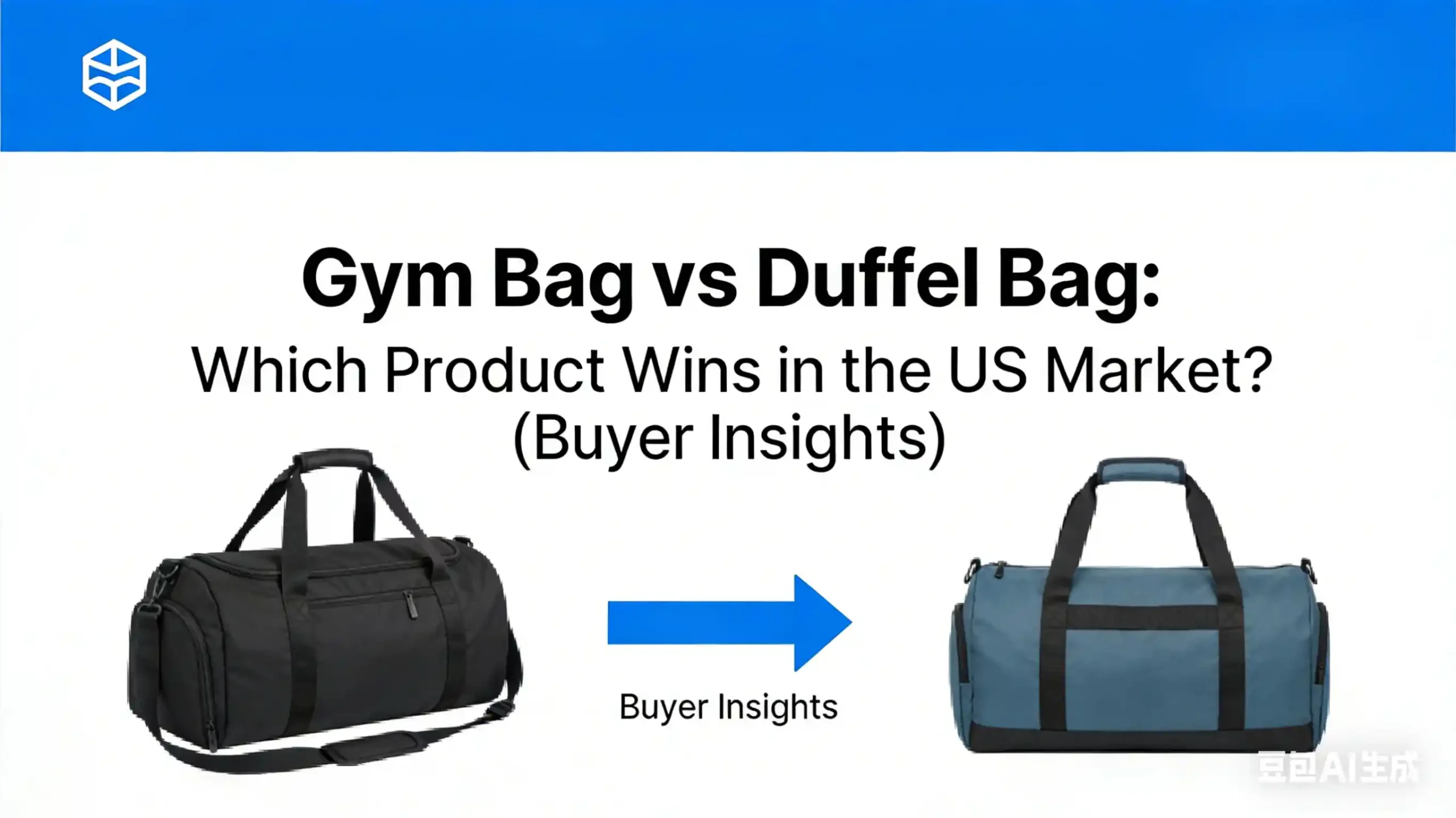
Before diving into market data, it is crucial to establish clear product definitions. Mislabeling your products can severely impact your SEO rankings and confuse your target audience.
What is a Gym Bag?
A gym bag is a highly specialized, purpose-built accessory designed specifically for fitness enthusiasts. Its primary function is to transport workout gear from the home or office to the gym.
- Form Factor: Generally smaller, highly structured, and often featuring a squarer or more ergonomic shape to fit into standard US gym lockers (typically 12″ x 12″ x 18″).
- Defining Features: Ventilated shoe compartments, waterproof wet pockets for sweaty clothes or swimwear, external water bottle holders, and padded straps.
- Target Audience: Daily commuters, CrossFitters, yogis, and corporate professionals who work out before or after office hours.
[Image suggestion: A high-quality photo of a modern gym bag highlighting its ventilated shoe compartment and waterproof wet pocket, placed in a premium gym locker room setting.]
What is a Duffel Bag?
A duffel bag (or duffle bag) is the ultimate utility player. Named after the town of Duffel in Belgium where its original thick cloth was woven, it is defined by its cylindrical shape and top closure.
- Form Factor: Larger, softer, and more unstructured. It is designed to maximize interior volume.
- Defining Features: A massive main compartment, heavy-duty zippers, reinforced grab handles, and extreme durability. While modern duffels may have pockets, the focus is on bulk storage.
- Target Audience: Weekend travelers, outdoor adventurers, college athletes, and military personnel.
2. US Market Trends: Consumer Search Intent
To determine which product wins, we must look at how US consumers behave. According to recent retail analytics, the lines between work, fitness, and travel have blurred, giving rise to the “hybrid lifestyle.”
The Duffel Bag Advantage (Volume):
Search volume for “duffel bags for travel” and “weekend duffel bags” consistently outpaces niche gym bags in the US. The duffel bag appeals to a much broader demographic. A customer might buy a duffel bag for a weekend road trip to the Catskills, but end up using it for their weekly basketball game. This versatility makes duffel bags a safer bet for brands looking to capture mass-market appeal.
The Gym Bag Advantage (Niche Loyalty & Premium Pricing):
While the overall search volume might be slightly lower, the conversion rate for specialized custom gym bags is exceptionally high. Fitness consumers in the US are highly educated about their gear. If your brand offers a gym bag that perfectly solves a pain point—such as isolating smelly lifting shoes from a clean laptop—consumers are willing to pay a premium price. The gym bag market thrives on high-margin, feature-rich designs.
3. Profitability and Sourcing Considerations for Brands
From a B2B procurement standpoint, the gym bag vs duffel bag debate directly impacts your bottom line. Here is how they compare on the manufacturing floor.
Manufacturing Complexity and Costs
Duffel bags are generally easier and cheaper to manufacture. Because they rely on a simple cylindrical or rectangular pattern with fewer internal dividers, the labor cost (stitching time) is lower. If you are a startup brand looking to enter the market with a high-volume, low-cost product, basic canvas or polyester duffels offer excellent margins.
Conversely, premium gym bags require complex internal engineering. Adding waterproof PEVA linings for wet pockets, installing mesh ventilation eyelets, and creating padded laptop sleeves significantly increases the Bill of Materials (BOM) and labor time. However, this complexity acts as a moat, protecting your brand from cheap knock-offs.
When working with a reliable custom bag manufacturer, you can achieve economies of scale by using the same high-quality exterior materials (like hydrolysis-resistant PU leather) across both your gym and duffel bag lines, reducing your overall Minimum Order Quantity (MOQ) risks.
[Image suggestion: A behind-the-scenes shot on a factory floor showing skilled workers stitching the complex internal compartments of a premium gym bag, emphasizing manufacturing quality.]
4. Key Features US Buyers Demand in 2026
The US market is highly competitive. To win, your bags must incorporate the latest material and design trends. Based on our sourcing data, here is what US consumers are demanding:
- Eco-Friendly Materials: Sustainability is no longer optional. US buyers are actively seeking recycled RPET polyester and water-based PU leather. Brands that highlight eco-friendly materials in their marketing see higher engagement.
- Tech Integration: The modern professional goes from the gym to the office. Both gym bags and premium duffels must feature padded, fleece-lined laptop compartments (fitting up to 16-inch MacBooks).
- Odor Control: Antimicrobial linings treated with silver-ion technology are becoming standard in high-end gym bags to prevent the buildup of bacteria and odors.
- Premium Hardware: A bag is only as good as its zipper. US consumers expect YKK zippers and robust, metal hardware (matte black or gunmetal finishes are currently trending) rather than cheap plastic D-rings.
5. Gym Bag vs Duffel Bag: The Ultimate B2B Comparison
To help you structure your next purchase order, we have summarized the strategic differences in this B2B comparison matrix.
| Strategic Metric | The Gym Bag | The Duffel Bag |
|---|---|---|
| Primary Market Appeal | Fitness, Commuting, CrossFit, Yoga | Travel, Outdoor, Sports Teams, Weekend Trips |
| Design Focus | Compartmentalization & Organization | Volume & Bulk Storage |
| Manufacturing Complexity | High (Multiple linings, zippers, and vents) | Low to Medium (Simpler patterns, fewer pockets) |
| Suggested Retail Price (MSRP) | $60 – $150+ (Premium positioning) | $40 – $120 (Mass-market positioning) |
| Best Material Choices | Nylon, Antimicrobial linings, Premium PU Leather | Heavy-duty Canvas, 600D+ Polyester, Tarpaulin |
6. Why Sourcing Both Might Be the Winning Strategy
So, which product wins in the US market? The reality is that the most successful lifestyle brands do not choose one over the other; they create a cohesive collection that serves the customer’s entire lifestyle loop.
A highly effective retail strategy is to launch a “Hybrid Collection.” For example, you can source a highly organized, 25-liter gym bag for your customer’s daily Monday-to-Friday routine, and a matching 45-liter duffel bag for their weekend getaways. By utilizing the same color palettes, branding elements, and hardware, you encourage cross-selling and increase your Average Order Value (AOV).
7. Conclusion & Next Steps for Your Brand
If your brand is highly focused on the fitness niche and solving specific commuter pain points, investing in the complex tooling of a premium Gym Bag will yield the most loyal customer base. If your brand leans towards lifestyle, travel, and broad utility, the classic Duffel Bag offers a safer, high-volume entry point with lower manufacturing complexities.
Navigating the nuances of bag design, material selection, and overseas manufacturing can be daunting. You need a factory partner that understands the high standards of the US market. At Lila Lila Bags, we specialize in translating your brand’s vision into retail-ready products. Whether you need intricate, waterproof gym bags or rugged weekend duffels, our OEM/ODM services guarantee uncompromising quality and competitive MOQs.
References & Authoritative Sources:
- Statista. (2025). Luggage and Bags Market in the United States – Consumer Trends and Revenue Forecasts.
- McKinsey & Company. The State of Fashion: The Rise of the Hybrid Lifestyle and Athleisure.
- Textile Exchange. Preferred Fiber and Materials Market Report – Shift Towards RPET and Sustainable Synthetics.
- Outdoor Industry Association (OIA). Annual Participation Report: Cross-over Trends in Travel and Fitness Gear.