The ultimate guide to choosing a gym bag that enhances your fitness journey and lasts for years

Factor 1: Size and Capacity – Finding Your Perfect Fit
The size of your gym bag should align with your workout style and gear requirements. Too small, and you’ll struggle to fit everything; too large, and you’ll be carrying unnecessary bulk that weighs you down.
Small Gym Bags (15-25 liters)
Perfect for minimalist workouts, yoga sessions, or quick gym visits. These compact gym bags typically accommodate a change of clothes, water bottle, and basic toiletries.
Medium Gym Bags (25-45 liters)
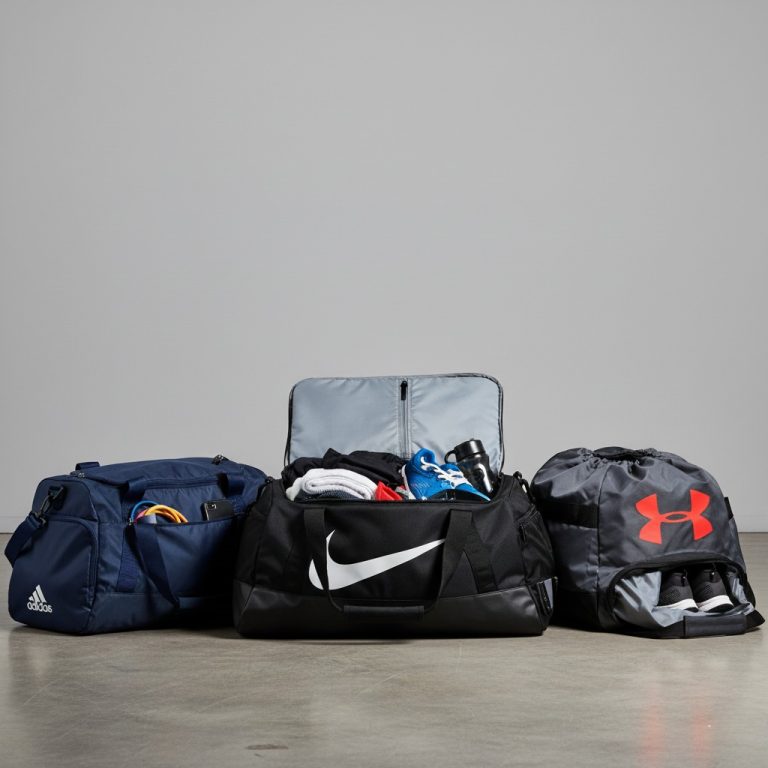
The sweet spot for most fitness enthusiasts. Medium-sized gym bags offer enough space for workout clothes, shoes, towel, toiletries, and small equipment like resistance bands or jump ropes.
Large Gym Bags (45+ liters)
Ideal for serious athletes, overnight gym trips, or those who carry extensive equipment. These spacious bags can accommodate multiple outfits, bulky items, and specialized gear.
| Size Category | Capacity | Best For | Typical Contents |
|---|---|---|---|
| Small | 15-25L | Light workouts, yoga | Clothes, water, basic toiletries |
| Medium | 25-45L | Regular gym sessions | Full outfit, shoes, towel, gear |
| Large | 45L+ | Athletes, extended sessions | Multiple outfits, equipment, extras |
Expert Tip: The 80% Rule
Choose a gym bag that’s about 20% larger than your typical load. This gives you flexibility for those days when you need to pack extra gear without making the bag feel oversized during regular use.
Factor 2: Material and Durability – Built to Last
The material of your gym bag determines its longevity, maintenance requirements, and performance in different conditions. Quality materials might cost more upfront but save money in the long run by avoiding frequent replacements.
Popular Gym Bag Materials
Nylon Pros
- Lightweight and durable
- Water-resistant properties
- Easy to clean and maintain
- Affordable price point
Nylon Considerations
- Can look less premium
- May show wear over time
- Limited style options
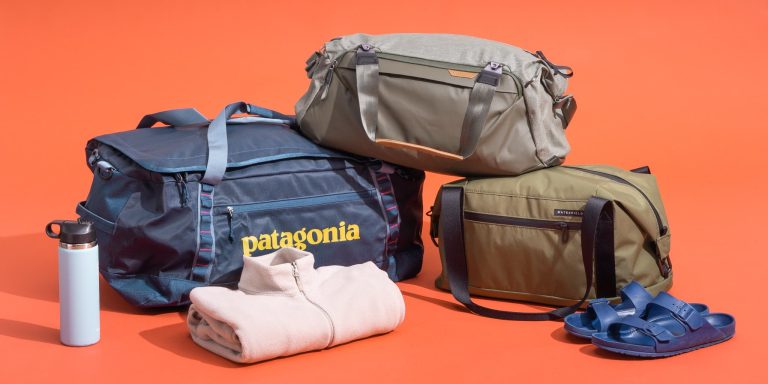
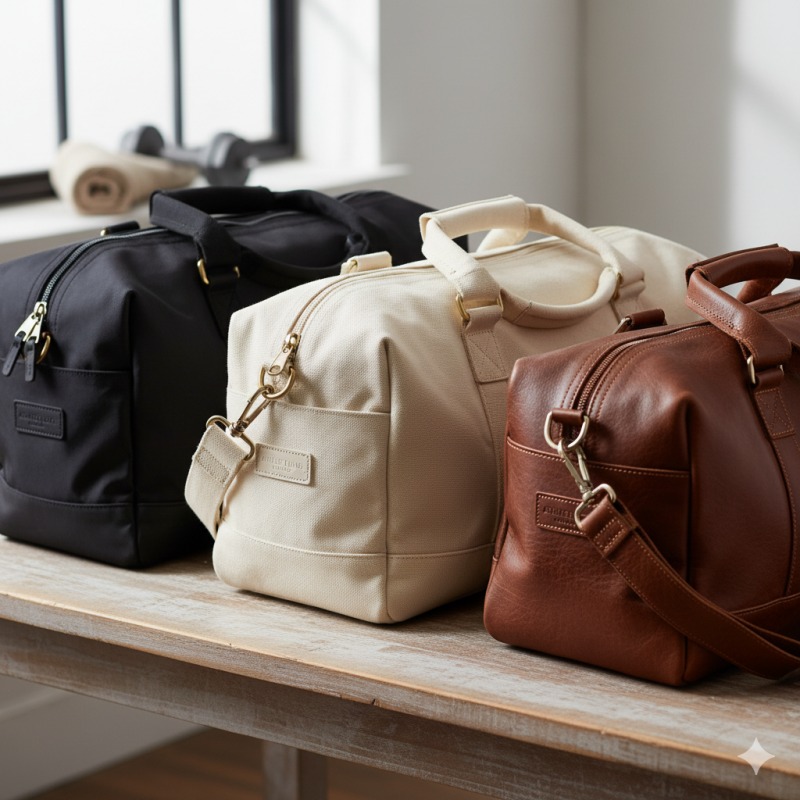
Polyester offers excellent durability and color retention, making it ideal for frequently used gym bags. Canvas provides a classic, sturdy option that improves with age, while leather delivers premium aesthetics but requires more maintenance and higher investment.
Factor 3: Compartment Organization – Everything in Its Place
Smart organization transforms a good gym bag into a great one. Well-designed compartments keep your gear organized, make items easy to find, and prevent clean clothes from mixing with sweaty workout gear.
Essential Compartments for the Best Gym Bag
- Main compartment: Large space for clothes and bulky items
- Shoe compartment: Ventilated section to isolate footwear
- Wet/dry separation: Keep clean and dirty items apart
- Small pockets: For keys, wallet, phone, and toiletries
- Water bottle holder: External or internal bottle storage
- Laptop/tablet sleeve: For those who work out during breaks
The best gym bag designs feature intelligent compartmentalization that mirrors your workout routine. Look for bags with expandable sections, removable dividers, and easy-access pockets that let you grab essentials without unpacking everything.
Factor 4: Comfort and Carrying Options – Your Body Will Thank You
Comfort becomes crucial when you’re carrying your gym bag regularly, especially if you walk, bike, or use public transportation to reach your workout destination.
Carrying Styles Comparison
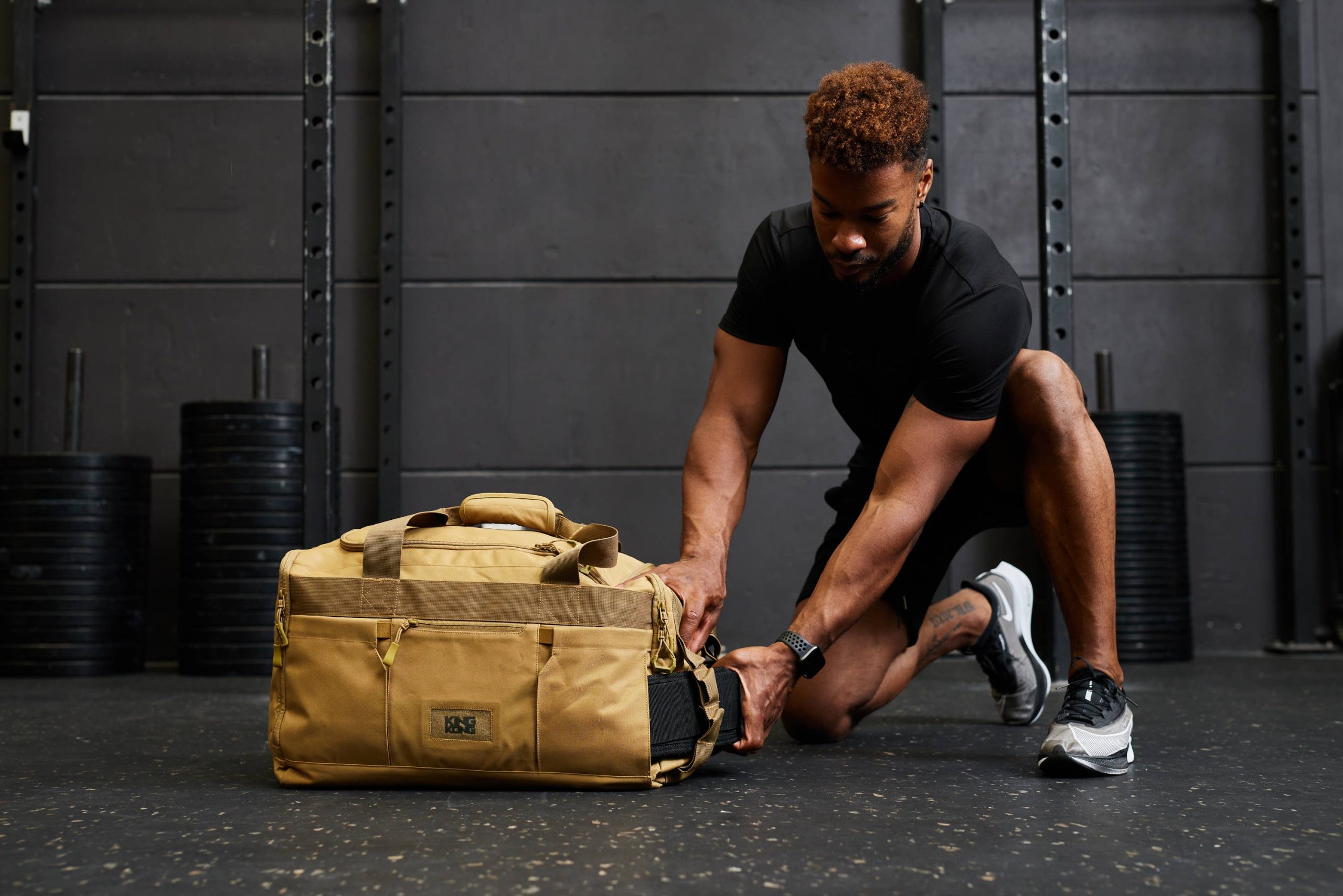
Duffel bags with shoulder straps offer versatility and large capacity but can become uncomfortable with heavy loads. Gym backpacks distribute weight evenly across your shoulders and leave hands free, making them ideal for active commuting.
Hybrid designs that convert between backpack and duffel modes provide maximum flexibility, letting you choose the most comfortable carrying method for each situation.
Comfort Features to Look For
Padded shoulder straps, breathable back panels, sternum straps for backpacks, and ergonomic handle designs. These features might seem minor but make a significant difference during extended carrying periods.
Factor 5: Ventilation and Odor Control – Stay Fresh
Nothing ruins the gym bag experience like trapped moisture and persistent odors. Proper ventilation systems and antimicrobial treatments keep your bag fresh and hygienic.
Look for gym bags with mesh panels, ventilation grommets, or specialized airflow systems. Some premium bags feature antimicrobial linings that resist odor-causing bacteria growth, while others include removable, washable liners.
The best gym bag designs also include dedicated ventilated compartments for shoes and sweaty clothes, preventing odors from permeating your clean gear.
Factor 6: Security Features – Protect Your Valuables
Your gym bag often carries valuable items like phones, wallets, keys, and sometimes expensive fitness equipment. Security features protect these items during transport and while stored in locker rooms.
Security Features to Consider
- Lockable zippers: Allow you to secure main compartments
- Hidden pockets: Concealed storage for valuables
- RFID blocking: Protects cards from electronic theft
- Reinforced attachment points: Prevent strap cutting
- Reflective elements: Enhance visibility during low-light conditions
Some modern gym bags even include built-in combination locks, cable ports for secure device charging, and GPS tracking capabilities for ultimate peace of mind.
Factor 7: Style and Personal Preference – Look Good, Feel Good
Your gym bag is an extension of your personal style. The right design motivates you to maintain your fitness routine while reflecting your aesthetic preferences.
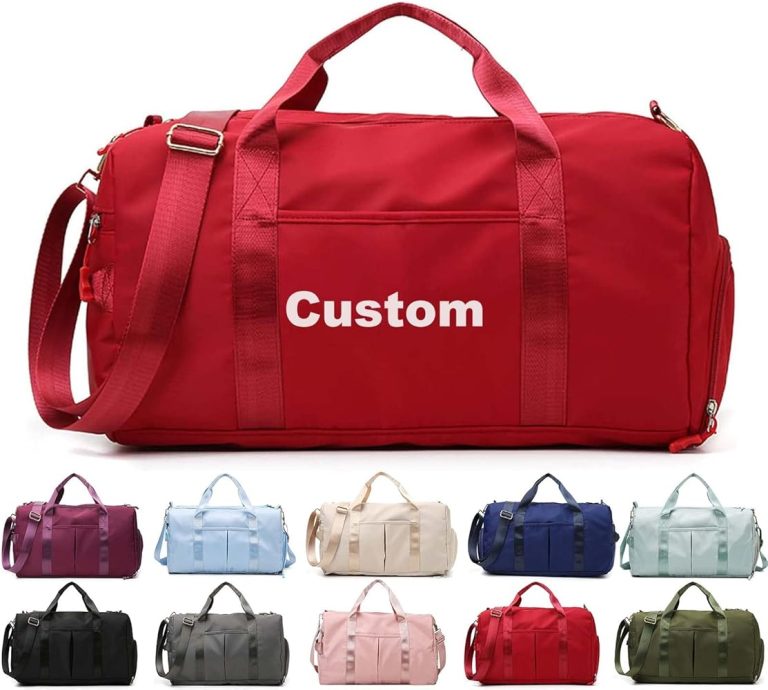
Consider whether you prefer sleek, minimalist designs that transition well from gym to office, or bold, athletic styles that showcase your fitness dedication. Color choices range from practical blacks and grays that hide wear to vibrant hues that make a statement.
The best gym bag for you balances visual appeal with functionality, ensuring you feel confident carrying it in any environment while meeting all your practical needs.
Factor 8: Budget and Value for Money – Smart Investment
Quality gym bags range from budget-friendly options under $50 to premium models exceeding $200. The key is finding the sweet spot where price meets your specific needs and usage frequency.
| Price Range | Features | Best For | Expected Lifespan |
|---|---|---|---|
| $25-$50 | Basic functionality | Occasional users | 1-2 years |
| $50-$100 | Good organization, durability | Regular gym-goers | 2-4 years |
| $100-$200 | Premium materials, features | Serious athletes | 5+ years |
Calculate the cost per use over the bag’s expected lifespan. A $100 gym bag used three times weekly for three years costs about $0.21 per use – excellent value for a quality companion that enhances your fitness routine.
Factor 9: Special Features and Technology – The Modern Edge
Today’s best gym bags incorporate innovative features that address modern fitness lifestyle needs. These technological additions can significantly enhance your workout experience and daily convenience.
Modern Gym Bag Innovations
- USB charging ports: Keep devices powered during long gym sessions
- Bluetooth tracking: Never lose your bag with app connectivity
- Temperature-controlled compartments: Keep drinks cold and food fresh
- Removable laundry bags: Isolate dirty clothes completely
- Modular accessories: Customize organization with removable pouches
- Smart zippers: Self-healing and ultra-smooth operation
While these features add convenience, evaluate their necessity against added cost and complexity. The best gym bag includes only the technology that genuinely enhances your specific workout routine.

Conclusion: Making Your Final Decision
Choosing the best gym bag requires balancing these nine factors against your specific needs, preferences, and budget. Start by honestly assessing your workout routine, gear requirements, and lifestyle demands.
Remember that the perfect gym bag should enhance rather than complicate your fitness journey. It should make you feel organized, prepared, and motivated to maintain your healthy lifestyle.
Take time to research specific models, read user reviews, and when possible, examine bags in person before making your final decision. The investment in a quality gym bag pays dividends through years of reliable service and enhanced workout experiences.
Frequently Asked Questions
What size gym bag do I need for daily workouts?
For most people, a medium-sized gym bag (25-35 liters) provides adequate space for workout clothes, shoes, toiletries, and a water bottle without being overly bulky.
How often should I replace my gym bag?
A quality gym bag should last 3-5 years with regular use. Replace when zippers fail, straps tear, or odors become persistent despite cleaning.
Are expensive gym bags worth the investment?
Premium gym bags often offer better materials, construction, and features that justify higher costs for frequent users. Calculate cost per use to determine value.
What’s the difference between a duffel bag and a gym backpack?
Duffel bags offer larger capacity and easier packing, while backpacks provide better weight distribution and hands-free carrying. Choose based on your commute and comfort preferences.
Ready to Find Your Perfect Gym Bag?
Get personalized suggestions based on your workout style, budget, and preferences.
Message Us on WhatsApp for Fast Factory Support