In the crowded B2C luggage and bag market, competition is fierce. Customers are no longer just looking for a “bag to carry things”; they are searching for lifestyle solutions. Whether it’s a gym enthusiast who needs to transition straight to the office, or a weekend traveler maximizing their carry-on allowance, today’s consumer demands functionality that keeps pace with their dynamic lives.
For retailers, this shift means that stocking generic duffle bags is a recipe for stagnant inventory. To drive sales and reduce cart abandonment, you need to curate products that solve specific pain points. The secret to higher conversion rates lies in the details—the specific, tangible features that make a customer say, “This is exactly what I need.”
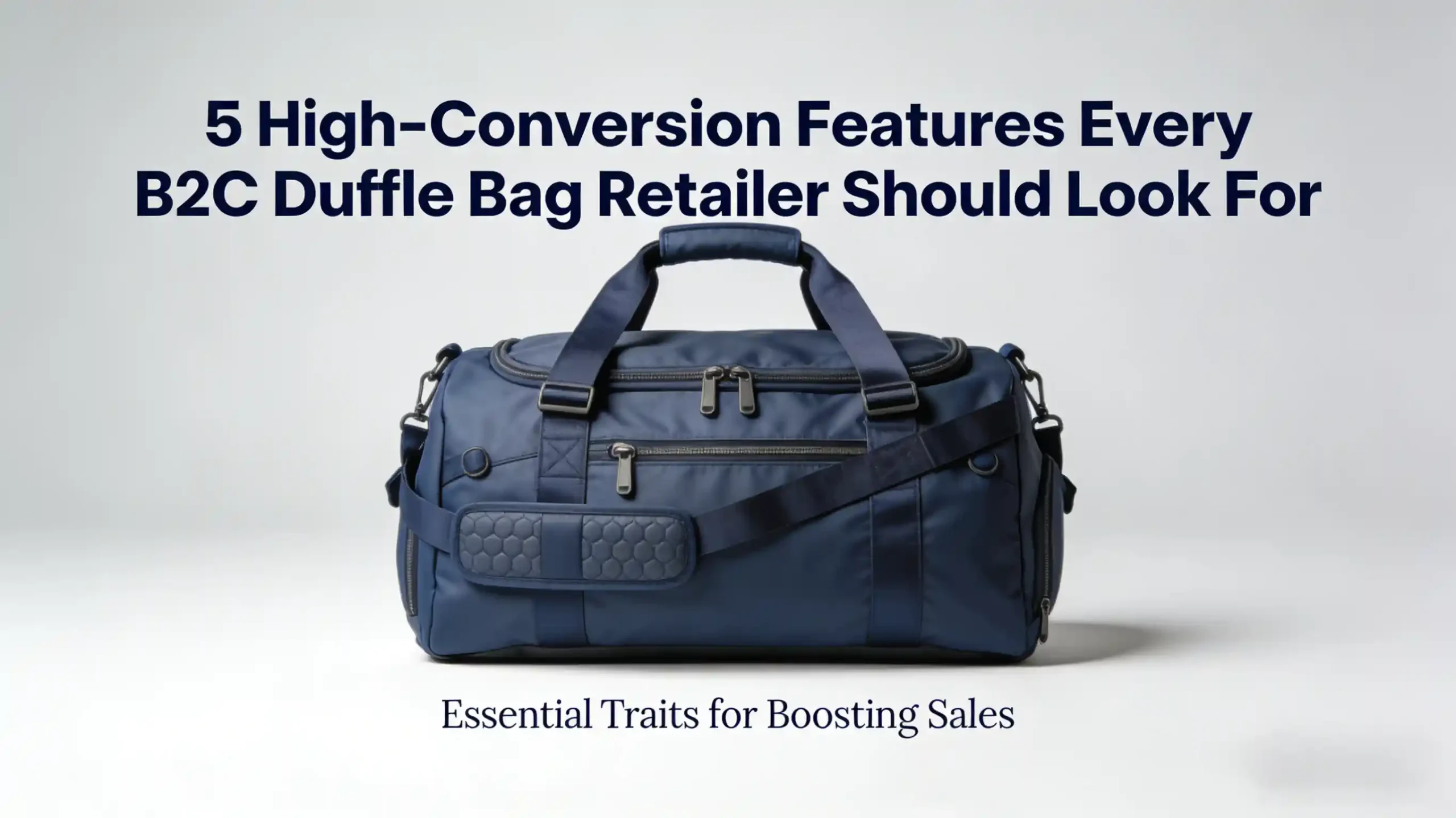
In this guide, we explore the 5 high-conversion duffle bag features that are currently dominating the market. By ensuring your inventory includes these elements, you can position your brand as a leader in utility and design.
Table of Contents
- 1. The “Gym-to-Work” Essential: Dedicated Shoe Compartments
- 2. Tech-Ready Design: Padded Sleeves & Charging Ports
- 3. Modular Organization: Wet Pockets & Dividers
- 4. Ergonomic Versatility: Convertible Carry Options
- 5. Peace of Mind: Anti-Theft & RFID Blocking
- Sourcing Strategy: How to Find the Right Manufacturer
- Conclusion
- References
1. The “Gym-to-Work” Essential: Dedicated Shoe Compartments
The rise of “athleisure” and hybrid lifestyles has made the ventilated shoe compartment a non-negotiable feature for many buyers.
Why it converts: Hygiene. No one wants their muddy running shoes touching their clean work clothes or toiletries. A separate, ventilated tunnel keeps odors and dirt contained. This simple feature instantly categorizes a bag as a “professional gym bag,” justifying a higher price point.
When sourcing gym bags, look for compartments that are spacious enough for size 13 shoes and include breathable mesh vents to prevent bacterial growth.
2. Tech-Ready Design: Padded Sleeves & Charging Ports
We live in a digital age. A duffle bag that cannot safely transport a laptop is useless to a modern commuter or business traveler.
Why it converts: Security and Convenience. Customers often hesitate to buy a duffle for travel because they fear for their electronics. Adding a dedicated, padded laptop sleeve (floating, so it doesn’t hit the ground when the bag is set down) alleviates this fear. Furthermore, an external USB charging port (connected to an internal power bank pocket) is a high-value “wow” feature that appeals to tech-savvy Gen Z and Millennial travelers.
3. Modular Organization: Wet Pockets & Dividers
The days of the “black hole” duffle bag—where you dump everything in and can’t find anything—are over. Modern consumers demand organization.
Why it converts: Usability. A “Wet Pocket” is a game-changer for swimmers or travelers with damp towels/swimsuits. It uses waterproof lining (PEVA) to separate wet items from dry ones. Internal mesh dividers, key leashes, and quick-access exterior pockets for passports/phones are features that customers actively filter for when shopping online.
Retailers should prioritize travel bags that offer “smart organization” systems, as these generate positive reviews highlighting ease of packing.
4. Ergonomic Versatility: Convertible Carry Options
Is it a duffle? Is it a backpack? The answer should be “both.”
Why it converts: Adaptability. Carrying a heavy duffle on one shoulder can be painful over long distances (like walking through a massive airport terminal). Convertible straps that allow the bag to be worn as a backpack distribute weight evenly, making the bag more ergonomic.
Look for designs where the backpack straps can be hidden away in a zippered compartment when not in use, maintaining a sleek, professional look for business meetings. This “2-in-1” value proposition is a powerful closer in product descriptions.
5. Peace of Mind: Anti-Theft & RFID Blocking
Travel anxiety is real. Features that promise safety trigger a strong emotional response and drive conversions.
Why it converts: Trust. Lockable zippers (compatible with TSA locks) and hidden pockets against the wearer’s back are standard expectations for high-end travel gear. Taking it a step further, an RFID-blocking pocket for passports and credit cards protects users from digital theft.
For B2C retailers, marketing these bags as “Theft-Proof” or “Secure Travel” creates a compelling narrative that resonates with solo travelers and city commuters.
Sourcing Strategy: How to Find the Right Manufacturer
Identifying these high-conversion duffle bag features is step one. Step two is finding a manufacturer who can execute them with quality and consistency.
When evaluating potential suppliers for your custom bag orders, ask the following:
- Material Sourcing: Can they source high-denier, water-resistant fabrics (like 600D or 1680D polyester)?
- Hardware Quality: Do they use durable zippers (like YKK or SBS) that won’t fail after a month?
- Customization Capability: Can they integrate complex features like USB ports or wet pockets without compromising structural integrity?
Conclusion
To succeed in the B2C market, you must move beyond selling a “container” and start selling an experience. By stocking duffle bags that feature shoe compartments, tech integration, smart organization, ergonomic versatility, and security, you are directly addressing the lifestyle needs of modern consumers.
These features turn a passive browser into an active buyer. If you are ready to upgrade your product line with these high-demand features, Lila Lila Bags is here to help. As a specialized manufacturer, we can bring these designs to life with your brand’s unique touch.
References
- Allied Market Research. (2023). Luggage Market by Type and Distribution Channel: Global Opportunity Analysis and Industry Forecast, 2023-2032. Retrieved from https://www.alliedmarketresearch.com
- Travel Goods Association. (n.d.). State of the Industry Trends. Retrieved from https://www.travel-goods.org
- Statista. (2024). Consumer spending on baggage and luggage in the United States. Retrieved from https://www.statista.com