Estimated Reading Time: 6 minutes
Table of Contents
- Introduction
- Understanding Leather: From Hide to Bag
- Tanning Methods: How They Affect Quality
- Leather Grain Classification
- Types of Leather for Bags
- Full-Grain Leather
- Top-Grain Leather
- Goatskin Leather
- Sheepskin Leather
- Exotic Leathers
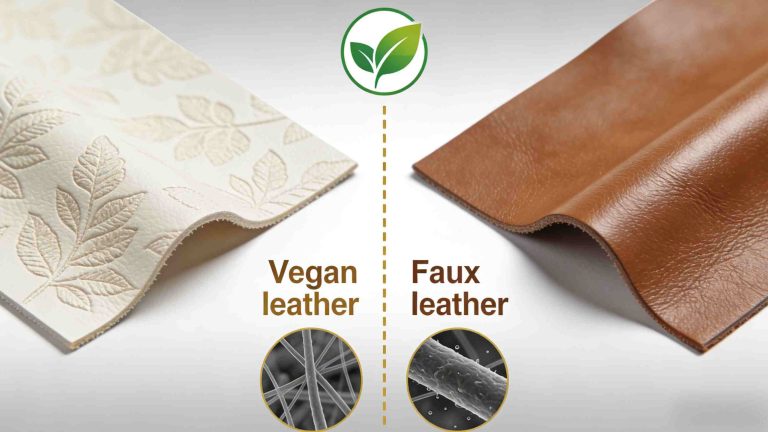
- Synthetic and Bonded Leather
- Choosing the Right Leather for Your Needs
- Conclusion
Introduction
Selecting the right leather is one of the most critical decisions in bag manufacturing. The type of leather you choose directly impacts not only the bag’s appearance but also its durability, weight, cost, and market positioning. Whether you’re a brand owner sourcing materials or a manufacturer advising clients, understanding the characteristics of different leather types ensures you deliver products that meet customer expectations.
This comprehensive guide explores every major leather type used in bag factories, from premium full-grain options to budget-friendly alternatives. We’ll examine how tanning processes and grain classifications affect quality, helping you make informed decisions for your production needs.
Understanding Leather: From Hide to Bag
Every leather bag begins its journey as animal hide—most commonly from cows, but also from goats, sheep, pigs, and exotic animals [1]. The hide’s origin significantly influences the leather’s properties. Cowhide offers the best balance of durability and availability, making it the industry standard for most bag production. Goatskin provides excellent flexibility, while sheepskin delivers luxurious softness [2].
Understanding these foundational differences helps manufacturers match materials to product requirements. A heavy-duty travel bag demands different characteristics than an elegant evening clutch. The key lies in recognizing how each hide type responds to processing and use.
Tanning Methods: How They Affect Quality
Tanning transforms raw animal skin into usable leather through chemical processes that prevent decomposition. The method chosen dramatically affects the final product’s characteristics [3].
Chrome Tanning: This modern method uses chromium salts and produces soft, flexible leather with excellent water resistance. Most mass-produced leather goods use chrome tanning because it offers consistent results and faster production times. The resulting leather maintains suppleness ideal for fashion bags.
Vegetable Tanning: Using natural tannins from tree bark and plants, this traditional method takes longer but produces firmer, more durable leather that develops beautiful patina over time. High-end bag manufacturers often prefer vegetable-tanned leather for its aging characteristics and eco-friendly profile.
Eco-Friendly Tanning: Growing sustainability concerns have driven innovation in less harmful tanning processes. These methods reduce water pollution and chemical usage while maintaining quality standards [4].
Leather Grain Classification
Leather grain refers to the surface texture and quality level, determined by which layer of the hide is used and how it’s processed. Understanding grain classification helps you select appropriate materials for different price points and quality expectations.
| Grain Type | Description | Durability | Common Uses |
|---|---|---|---|
| Full-Grain | Complete natural grain surface, no sanding | Highest | Premium bags, heirloom pieces |
| Top-Grain | Sanded surface, removed imperfections | High | Mid-range bags, fashion accessories |
| Genuine Leather | Lower layers, surface corrected | Moderate | Budget-friendly products |
| Bonded | Leather scraps glued together | Low | Very affordable items, linings |
Types of Leather for Bags
Now let’s examine the specific leather types commonly used in bag manufacturing, their unique properties, and ideal applications.
Full-Grain Leather
Full-grain leather represents the highest quality available, using the entire grain layer without sanding or buffing [5]. This preserves the hide’s natural surface, including any unique markings that tell the animal’s story. The result is incredibly durable leather that develops a rich patina over time, making each bag more beautiful with age.
Key Characteristics:
- Maximum durability and tensile strength
- Breathable and ages beautifully
- Shows natural variations and character
- Resistant to moisture when properly treated
Best For: High-end handbags, premium briefcases, luxury travel bags, heirloom pieces. Brands positioning in the luxury market should strongly consider full-grain leather as their primary material.
Top-Grain Leather
Top-grain leather is the second-highest quality, created by sanding or buffing the hide’s surface to remove imperfections [6]. This process produces more uniform appearance while maintaining good durability. It’s the most common leather type in mid-range designer bags because it offers an excellent balance of quality and cost.
Key Characteristics:
- Smoother, more consistent appearance
- Good durability (8-12 years with proper care)
- Lighter weight than full-grain
- More affordable while still premium-feeling
Best For: Everyday designer bags, business accessories, wallets, mid-range fashion bags. Top-grain provides the luxury feel customers expect at accessible price points.
Goatskin Leather
Goatskin offers an excellent alternative to cowhide, known for its natural water resistance and exceptional flexibility. The natural lanolin in goat hide makes it naturally more water-resistant than other leather types [7]. This characteristic proves particularly valuable for bags that may encounter moisture exposure.
Key Characteristics:
- Superior flexibility and lightweight feel
- Natural water resistance
- Distinctive grain pattern
- Excellent strength-to-weight ratio
Best For: Crossbody bags, sling bags, lightweight everyday bags, travel accessories. Goatskin excels in designs requiring flexibility without sacrificing durability.
Sheepskin Leather
Sheepskin provides unmatched softness and luxury feel, making it popular for high-end fashion pieces. However, its delicate nature requires careful consideration during product design and customer guidance [8].
Key Characteristics:
- Extremely soft and supple texture
- Lightweight and luxurious feel
- Less durable than cowhide or goatskin
Premium aesthetic appeal
Best For: Evening bags, clutches, luxury accessories, fashion-forward pieces. Sheepskin works best when aesthetics take priority over heavy daily use.
Exotic Leathers
Exotic leathers including alligator, snake, ostrich, and crocodile offer distinctive patterns that immediately communicate luxury and exclusivity [9]. These materials command premium prices and require specialized manufacturing expertise.
Key Characteristics:
- Unique, eye-catching patterns
- High status and luxury association
- Requires special handling and ethical sourcing
- Premium pricing reflects exclusivity
Best For: Statement pieces, luxury accessories, limited-edition collections. Exotic leathers work best for brands targeting ultra-high-end markets.
Synthetic and Bonded Leather
For budget-conscious production, synthetic and bonded leathers offer cost-effective alternatives. These materials provide leather-like appearance without premium pricing [10].
Synthetic Leather (PU/PVC):
- Uniform appearance, consistent quality
- Easy to clean and maintain
- Water-resistant
- More affordable than real leather
Bonded Leather:
- Made from leather scraps and adhesive
- Lowest cost option
- Less durable, shorter lifespan
- Suitable for budget product lines
Best For: Budget-friendly product lines, promotional items, fashion accessories where price is primary concern.
Choosing the Right Leather for Your Needs
Selecting the appropriate leather type depends on several factors specific to your business context:
Budget Constraints: Full-grain leather costs significantly more than genuine or bonded alternatives. Determine your target price point first, then identify the highest quality leather that fits your margins.
Product Positioning: Luxury brands should invest in full-grain or premium top-grain materials. Mid-market brands can balance quality and cost with good top-grain. Budget brands should consider genuine leather or quality synthetic options.
Target Use Case: Daily use bags require durable full-grain or top-grain leather. Occasional-use fashion bags can use softer sheepskin or lambskin. Travel bags benefit from water-resistant options like goatskin or treated leather.
Customer Expectations: Understand what your target customers value most. Some prioritize longevity and are willing to pay premium prices. Others prefer fashion-forward designs at accessible prices.
Conclusion
Understanding leather types transforms how you approach bag manufacturing and sourcing. Each leather category—from premium full-grain to budget-friendly bonded options—serves specific market needs and price points. The key lies in matching material selection to your brand positioning, customer expectations, and product requirements.
Quality leather investment pays dividends through customer satisfaction and brand reputation. Even within budget constraints, selecting the best material appropriate for your positioning builds trust and encourages repeat business.
Ready to source the perfect leather for your bag production? Connect with our manufacturing team to discuss your material requirements and discover how we can bring your vision to life with quality craftsmanship.
Related articles: How to Find Custom Handbag Manufacturers for Startups, How to Design a Handbag: Complete Guide, Leather Goods Niche Business Guide
References
- A Guide to the Best Materials for Leather Bags – Hong Bang Leathers
- Leather 101: The Ultimate Guide to Different Types of Leather – Avanzar Leather
- Types of Leather Used in Bag Factories Explained – B.S. Bag Factory
- What Are the Best Type of Leather for Bags? – Szoneier Leather
- Michael Kors Manufacturing Insights – Leeline Bags