Estimated Reading Time: 11 minutes
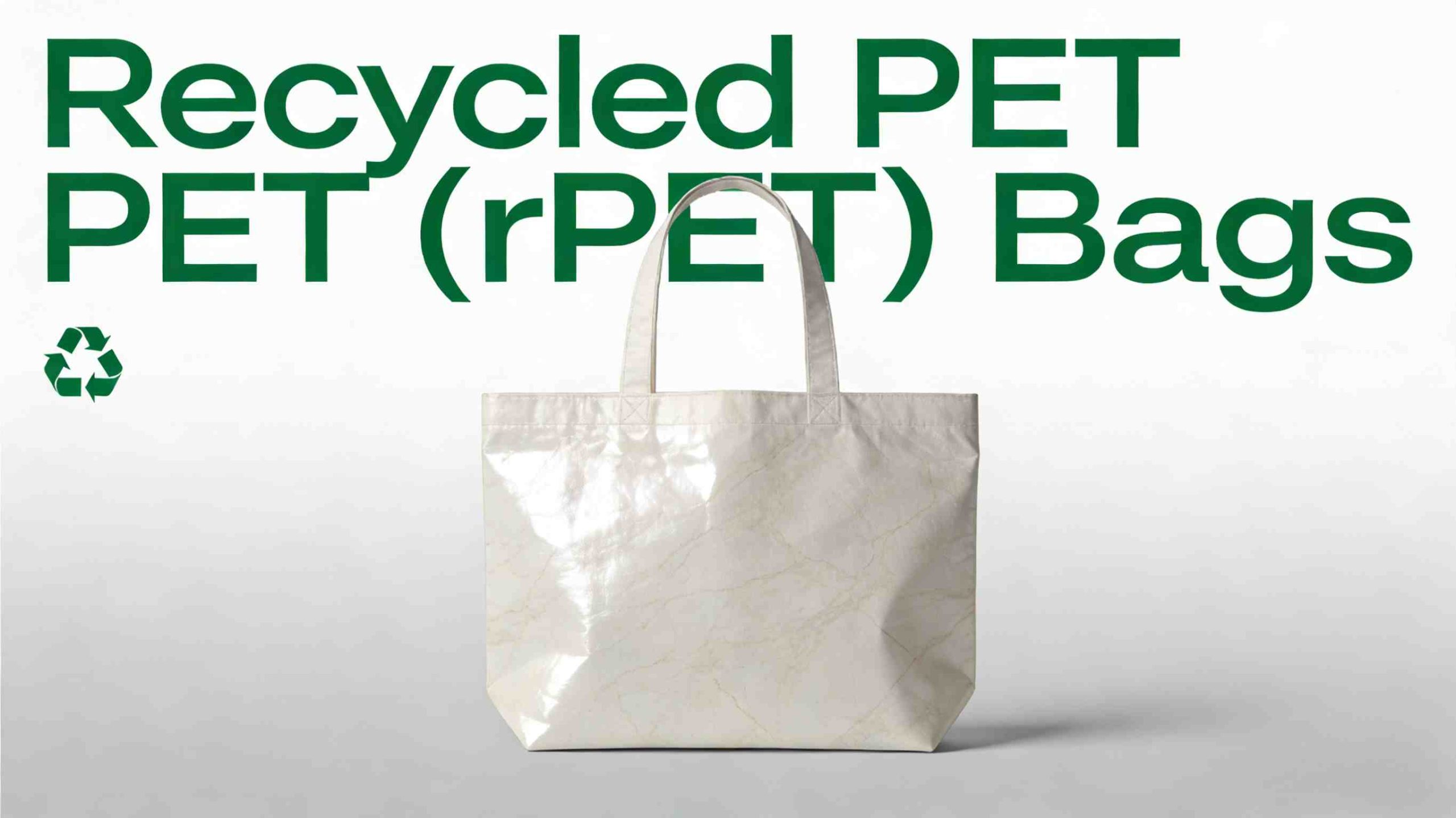
The rPET (Recycled Polyethylene Terephthalate) fabric costs 15% to 30% more than virgin polyester. You do the math, and suddenly your retail price has to jump by $10 to maintain your margin. The fear sets in: “Will my customers actually pay for this? Or will I be stuck with a warehouse full of expensive, eco-friendly inventory?”
In 2020, this fear was valid. But in 2026, the landscape has shifted dramatically. At Lila Lila Bags, we’ve seen rPET transform from a “niche luxury” to a “market standard.” Today, we’re breaking down the real ROI of rPET and why that “Eco-Premium” might actually be your brand’s biggest profit driver.
Table of Contents
What Exactly is rPET? (And Why Does It Cost More?)
To understand the price, you have to understand the process. Virgin polyester is cheap because it comes directly from crude oil—a streamlined, massive industrial pipeline.
rPET, on the other hand, has a messy origin story: Trash.
- Collection: Post-consumer plastic bottles are gathered from recycling centers and oceans.
- Sorting & Cleaning: Labels and caps must be removed. This is labor-intensive.
- Shredding: Bottles are ground into “flakes.”
- Melting & Spinning: Flakes are melted into pellets, then spun into yarn.
The Cost Reality: The extra steps of sorting and cleaning, plus the cost of GRS (Global Recycled Standard) certification to prove authenticity, drive up the price. You aren’t just paying for plastic; you are paying for the reverse logistics of waste management.
Busting the Myth: Is Recycled Weaker?
A common objection we hear from B2B buyers is: “I don’t want to risk quality complaints. Is recycled plastic as strong as new plastic?”
Five years ago, early rPET fabrics sometimes had issues with color consistency or hand-feel (stiffness). In 2026, technology has caught up.
- Durability: High-quality rPET (like 600D or 900D Oxford) has virtually identical tensile strength and abrasion resistance to virgin polyester.
- Aesthetics: It can be dyed, printed, and coated (PU/PVC) just like regular fabric. Your customer literally cannot feel the difference.
The Takeaway: You are not trading quality for sustainability. You are getting a premium product that happens to be green.
The 2026 Consumer: Why “Green” Sells
Here is where the math starts to work in your favor. The “Eco-Premium” you pay is not a sunk cost; it’s a marketing asset.
According to recent retail data, Gen Z and Millennial buyers (your core handbag demographic) aren’t just willing to pay more for sustainable goods—they expect brands to be responsible.
- The “Guilt-Free” Purchase: Shopping has become an emotional minefield. Buying a cheap, fast-fashion bag feels “dirty.” Buying a rPET bag feels like an act of activism. This emotional validation justifies a higher retail price.
- Brand Loyalty: Customers stick with brands that share their values. An rPET collection creates a “Halo Effect” over your entire brand, boosting retention rates.
If your custom tote bag costs $5 more but makes the customer feel like a hero, they will buy it.
Future-Proofing: The Regulatory Tsunami is Coming
If consumer demand doesn’t convince you, government regulations should. The EU and parts of the US are aggressively rolling out EPR (Extended Producer Responsibility) laws.
In simple terms: Brands will soon be taxed on the amount of virgin plastic they put into the market. By switching to rPET now, you are:
- Avoiding future plastic taxes.
- Preparing for strict “Digital Product Passport” requirements in Europe.
- Positioning your brand as a leader, not a follower scrambling to comply.
How to Justify the Price Tag to Your Customers
Okay, so you’ve decided to pay the premium. How do you explain the higher price to your customer without scaring them away? Transparency is key.
1. Use Specific Numbers
Don’t just say “Eco-Friendly.” Say: “This bag is made from 12 recycled water bottles.” Concrete numbers are powerful and memorable.
2. Show the Certification
Ask us for the GRS (Global Recycled Standard) tag. This hangtag is proof that you aren’t “greenwashing.” It builds instant trust.
3. Compare the “Cost Per Wear”
Remind them that a durable, ethical bag they use for 5 years is cheaper than five cheap bags they throw away. Position it as an investment, not an expense.
Verdict: To rPET or Not to rPET?
Is the “Eco-Premium” justified in 2026? Yes.
While the upfront material cost is higher, the downstream benefits—higher perceived value, customer loyalty, and regulatory safety—far outweigh the expense. In a crowded market, “Sustainability” is no longer just a trend; it’s the new baseline for quality.
If you are worried about the cost, start small. You don’t have to switch your entire line overnight. Launch a limited edition “Eco-Capsule” collection and test the waters.
Ready to explore sustainable materials? At Lila Lila Bags, we source certified rPET fabrics that meet global standards. Contact us today to get a quote and feel the fabric swatches yourself.
References